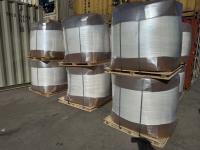
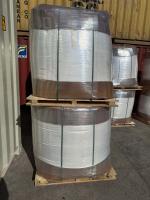
Super absorbent polymer in baby diapers performance comparison is an important topic in hygiene product development, as the choice and quality of SAP directly determine diaper absorption, dryness, comfort, and leakage control. A super absorbent polymer (SAP), typically sodium polyacrylate, is the key functional material in the absorbent core of baby diapers. Understanding the performance comparison of super absorbent polymer in baby diapers helps manufacturers optimize product design and improve user satisfaction.
The first and most critical parameter in any super absorbent polymer in baby diapers performance comparison is absorption capacity. This refers to the amount of liquid SAP can absorb relative to its own weight. High-quality SAP can absorb 30–60 times its weight in saline solution, which simulates urine. In a super absorbent polymer in baby diapers performance comparison, higher absorption capacity allows for thinner diapers while maintaining high performance. However, capacity alone is not sufficient; how the SAP behaves under real-use conditions is equally important.
Another key factor in super absorbent polymer in baby diapers performance comparison is absorption under load (AUL). This measures how well the SAP retains liquid when pressure is applied, such as when a baby sits, crawls, or sleeps. SAP with high AUL maintains its structure and prevents liquid from being squeezed out. In a super absorbent polymer in baby diapers performance comparison, products with higher AUL provide better leakage protection and improved dryness.
Absorption speed is also a critical parameter. In real usage, urine is released quickly, so SAP must absorb fluid rapidly to prevent leakage. In a super absorbent polymer in baby diapers performance comparison, fast absorption ensures that liquid is quickly transferred from the diaper surface to the absorbent core. Advanced SAP materials are designed with optimized surface area and porosity to enhance absorption kinetics.
The gel strength of SAP is another important aspect in super absorbent polymer in baby diapers performance comparison. After absorbing liquid, SAP forms a gel. Strong gel strength ensures that the swollen particles maintain their structure and do not break down under pressure. Weak gel strength can lead to gel blocking or leakage. Therefore, in a super absorbent polymer in baby diapers performance comparison, higher gel strength is associated with better structural stability and long-term performance.
Rewet performance is a key indicator of user comfort. It refers to the amount of liquid that returns to the diaper surface after pressure is applied. In a super absorbent polymer in baby diapers performance comparison, low rewet values indicate better dryness and reduced risk of skin irritation or diaper rash. High-quality SAP minimizes rewet, keeping the baby’s skin dry and comfortable.
Another important factor in super absorbent polymer in baby diapers performance comparison is permeability and gel blocking resistance. When SAP particles swell, they can block the pathways for liquid flow, reducing overall efficiency. Advanced SAP products are engineered to maintain permeability even after swelling. In a super absorbent polymer in baby diapers performance comparison, better permeability ensures uniform liquid distribution and prevents localized saturation.
The particle size and distribution of SAP also influence performance. In a super absorbent polymer in baby diapers performance comparison, uniform particle size improves consistency in absorption and reduces the risk of uneven swelling. Smaller particles provide faster absorption, while larger particles may offer better permeability. Manufacturers often use a balanced distribution to achieve optimal performance.
In addition, odor control performance is sometimes included in super absorbent polymer in baby diapers performance comparison. Some SAP products are modified to reduce ammonia formation and control odor, improving user experience. This is particularly important for overnight diapers or extended use.
From a design perspective, super absorbent polymer in baby diapers performance comparison also considers the ratio of SAP to fluff pulp. Modern diapers increasingly use higher SAP content to achieve thinner designs. A well-balanced ratio ensures effective liquid distribution and retention without compromising comfort.
Environmental considerations are becoming increasingly relevant in super absorbent polymer in baby diapers performance comparison. Traditional SAP is not biodegradable, prompting research into bio-based alternatives. While these newer materials may have slightly lower performance, ongoing innovation aims to close the gap between sustainability and functionality.
Cost-performance balance is another aspect of super absorbent polymer in baby diapers performance comparison. High-performance SAP may come at a higher cost, so manufacturers must balance performance requirements with economic efficiency. Optimizing dosage and combining SAP with other materials can help achieve the desired performance at a reasonable cost.
In conclusion, super absorbent polymer in baby diapers performance comparison involves multiple parameters, including absorption capacity, absorption under load, absorption speed, gel strength, rewet performance, permeability, and particle characteristics. Each parameter plays a critical role in determining diaper quality. By carefully evaluating these factors, manufacturers can select the most suitable SAP and design diapers that offer superior absorption, dryness, comfort, and reliability. As technology advances, super absorbent polymer in baby diapers performance comparison will continue to evolve, focusing on improved performance, thinner designs, and enhanced sustainability.





962_small.jpg "low residual monomer SAP for hygiene products")