Super absorbent polymer for sanitary napkin production is a core material that determines the absorption performance, dryness, comfort, and overall quality of modern feminine hygiene products. A super absorbent polymer (SAP) is a cross-linked hydrophilic polymer capable of absorbing and retaining large amounts of liquid relative to its own weight. In sanitary napkin manufacturing, super absorbent polymer for sanitary napkin production is essential for rapid fluid uptake, leakage prevention, and maintaining a dry surface in contact with the skin.
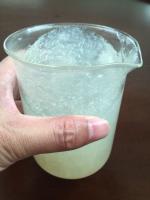
The most commonly used super absorbent polymer for sanitary napkin production is sodium polyacrylate, which is synthesized through the polymerization and cross-linking of acrylic acid. This material can absorb dozens of times its own weight in saline fluids such as menstrual fluid. The performance of super absorbent polymer for sanitary napkin production is based on its three-dimensional network structure, which traps liquid within the polymer matrix and prevents it from flowing back to the surface.
In sanitary napkin construction, super absorbent polymer for sanitary napkin production is primarily incorporated into the absorbent core layer. This core is typically composed of a blend of SAP particles and cellulose fibers (fluff pulp). The fluff pulp serves as a liquid distribution medium, quickly spreading fluid across the core, while the SAP absorbs and locks the fluid in place. This synergy ensures that super absorbent polymer for sanitary napkin production can handle varying flow rates and multiple absorption cycles efficiently.
One of the most important performance characteristics of super absorbent polymer for sanitary napkin production is absorption capacity under pressure. During use, the product is subjected to body weight and movement, which can compress the absorbent core. High-quality SAP maintains its ability to retain liquid even under pressure, preventing leakage and ensuring dryness. Another critical factor is gel strength, which refers to the ability of the swollen polymer to maintain its structure without breaking down. Strong gel integrity is essential for preventing leakage and maintaining product reliability.
The rewet performance of super absorbent polymer for sanitary napkin production is also a key consideration. Rewet refers to the amount of absorbed fluid that returns to the surface after pressure is applied. A low rewet value ensures that the top layer of the sanitary napkin remains dry, which is important for user comfort and skin health. Effective super absorbent polymer for sanitary napkin production minimizes rewet, reducing the risk of irritation and improving the overall user experience.
Another important aspect of super absorbent polymer for sanitary napkin production is absorption speed. Menstrual fluid can be released suddenly, so the SAP must quickly absorb and distribute the liquid to prevent leakage. Advanced SAP materials are engineered with optimized particle size and surface properties to enhance absorption kinetics and fluid distribution.
The particle size and distribution of super absorbent polymer for sanitary napkin production are carefully controlled to avoid issues such as gel blocking. Gel blocking occurs when swollen SAP particles obstruct the flow of liquid, reducing overall absorption efficiency. By optimizing particle size and combining SAP with appropriate fiber structures, manufacturers can ensure efficient liquid transport throughout the absorbent core.
In addition to absorption performance, super absorbent polymer for sanitary napkin production must be compatible with other product layers, including the topsheet, acquisition distribution layer (ADL), and backsheet. The SAP must function effectively within this multilayer structure to provide optimal fluid management while maintaining flexibility and comfort.
Environmental considerations are becoming increasingly important in the development of super absorbent polymer for sanitary napkin production. Traditional SAP materials are not biodegradable, leading to concerns about waste disposal. As a result, research is focused on developing bio-based and biodegradable SAP alternatives derived from renewable resources. These innovations aim to reduce the environmental impact while maintaining high performance.
The use of super absorbent polymer for sanitary napkin production also contributes to product design optimization. By increasing absorption efficiency, manufacturers can reduce the thickness and weight of sanitary napkins, resulting in more discreet and comfortable products. This is particularly important for consumer acceptance and market competitiveness.
In high-performance sanitary napkins, super absorbent polymer for sanitary napkin production is often combined with advanced technologies such as odor control agents and antibacterial treatments. These enhancements improve hygiene, reduce odor, and provide additional comfort during use.
Overall, super absorbent polymer for sanitary napkin production is a critical component that defines the functionality and quality of feminine hygiene products. Its ability to absorb, retain, and manage fluid efficiently ensures dryness, comfort, and protection. As technology continues to evolve, innovations in super absorbent polymer for sanitary napkin production will focus on improving absorption performance, enhancing user comfort, and addressing environmental sustainability, making it an indispensable material in the hygiene industry.