Our Products
Product Center / super absorbent polymer for medical absorbent products
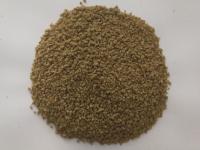
877_small.jpg "super absorbent polymer for medical absorbent products")



Super absorbent polymer for medical absorbent products is a critical functional material widely used in healthcare and medical hygiene applications. A super absorbent polymer (SAP) is a cross-linked hydrophilic polymer, most commonly based on sodium polyacrylate, capable of absorbing and retaining large quantities of aqueous fluids such as blood, wound exudate, urine, and other bodily fluids. The use of super absorbent polymer for medical absorbent products significantly improves fluid management, infection control, patient comfort, and overall clinical efficiency.
The fundamental mechanism behind super absorbent polymer for medical absorbent products is its unique three-dimensional polymer network. When exposed to liquid, hydrophilic groups within the polymer chains attract water molecules through osmotic pressure. The liquid is rapidly absorbed into the polymer structure, causing it to swell and form a stable hydrogel. Because of the cross-linked structure, the polymer does not dissolve, allowing super absorbent polymer for medical absorbent products to lock in large volumes of fluid securely.
One of the primary applications of super absorbent polymer for medical absorbent products is in wound care products. Modern advanced wound dressings often incorporate SAP layers to manage wound exudate effectively. Chronic wounds, such as diabetic ulcers, pressure ulcers, and surgical wounds, can produce significant fluid. Super absorbent polymer for medical absorbent products absorbs this exudate, maintains a moist wound healing environment, and prevents maceration of surrounding skin. This controlled moisture balance is essential for accelerating healing and reducing infection risk.
In medical pads and absorbent dressings, super absorbent polymer for medical absorbent products plays a key role in fluid retention. These products are designed to handle blood and exudate in surgical procedures, post-operative care, and trauma management. SAP ensures that fluids are quickly absorbed and locked away, reducing leakage and improving hygiene in clinical environments. This also minimizes the frequency of dressing changes, improving patient comfort and reducing nursing workload.
Another important application of super absorbent polymer for medical absorbent products is in incontinence care products, including adult incontinence pads and underpads used in hospitals and elderly care facilities. These products must handle large and repeated volumes of urine while maintaining dryness and odor control. SAP provides high absorption capacity and excellent retention, ensuring that moisture is quickly drawn away from the skin surface. This helps prevent skin irritation, pressure ulcers, and infection.
In surgical and emergency care products, super absorbent polymer for medical absorbent products is used in absorbent pads, drapes, and sponges. During surgical procedures, fluid management is essential to maintain a clear operating field and prevent contamination. SAP-based materials rapidly absorb blood and irrigation fluids, improving visibility and maintaining a sterile environment.
Super absorbent polymer for medical absorbent products is also used in medical waste management materials, such as absorbent pouches and biohazard disposal bags. These products help solidify liquid waste, reducing leakage risk during transport and disposal. The SAP transforms liquid waste into a gel, making handling safer and more hygienic.
A key performance requirement of super absorbent polymer for medical absorbent products is biocompatibility and safety. Medical-grade SAP must be non-toxic, non-irritating, and free from harmful residues. It must meet strict regulatory standards to ensure safe contact with human skin and biological fluids. In addition, odor control performance is important, especially in long-term care applications.
Another important property is absorption under pressure (AUP). In medical applications, absorbent products are often subjected to body weight or external pressure. Super absorbent polymer for medical absorbent products must retain absorbed fluids even under compression to prevent leakage and maintain dryness.
The absorption speed of SAP is also critical in medical use. Rapid fluid uptake ensures immediate control of bleeding or exudate, reducing contamination risk. High-quality super absorbent polymer for medical absorbent products is engineered with optimized particle size and surface structure to enhance absorption kinetics.
Gel strength is another essential factor. After absorbing fluids, SAP forms a hydrogel that must remain stable under mechanical stress. Strong gel integrity ensures that absorbed fluids are not released during movement or pressure, which is especially important in wound dressings and incontinence products.
From a material design perspective, super absorbent polymer for medical absorbent products is often integrated with nonwoven fabrics, cellulose fibers, or multilayer composite structures. These combinations help distribute fluids evenly and improve overall absorption efficiency. The synergy between SAP and fiber structures enhances performance in complex medical conditions.
Environmental considerations are increasingly important in the development of super absorbent polymer for medical absorbent products. Traditional SAP materials are not biodegradable, raising concerns about medical waste disposal. As a result, research is ongoing into bio-based and partially biodegradable SAP materials derived from natural polymers such as starch and cellulose. These innovations aim to maintain performance while reducing environmental impact.
In addition to clinical benefits, super absorbent polymer for medical absorbent products contributes to cost efficiency in healthcare systems. By reducing dressing change frequency, improving patient outcomes, and minimizing infection risks, SAP-based products help lower overall treatment costs and improve hospital resource utilization.
In conclusion, super absorbent polymer for medical absorbent products is an essential material in modern healthcare. Its ability to rapidly absorb, retain, and lock in large volumes of biological fluids makes it indispensable in wound care, incontinence management, surgical applications, and medical waste handling. With its strong performance characteristics—such as high absorption capacity, fast uptake, gel stability, and safety compliance—super absorbent polymer for medical absorbent products continues to play a vital role in improving medical hygiene, patient comfort, and clinical efficiency.