

Our Products

Product Center / super absorbent polymer for medical absorbent pads
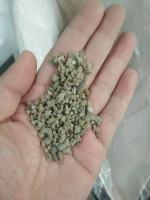
Super absorbent polymer (SAP) for medical absorbent pads represents a high-performance class of functional hydrogel materials specifically engineered for clinical fluid management, including wound exudate absorption, surgical fluid containment, and biological fluid immobilization. Compared with hygiene-grade SAP used in diapers or sanitary napkins, medical-grade SAP must satisfy stricter requirements related to biocompatibility, fluid retention under pressure, antimicrobial compatibility, and controlled swelling behavior. The following provides a comprehensive and structured technical discussion of SAP systems used in medical absorbent pads.
1. Functional Role of SAP in Medical Absorbent Pads
Medical absorbent pads are widely used in:
- Wound dressings (moderate to high exudate wounds)
- Surgical underpads and drapes
- Post-operative care products
- Trauma and emergency absorbent materials
In these applications, SAP functions as the core absorbent medium, responsible for:
- Rapid uptake of biological fluids (blood, exudate, saline)
- Immobilization of absorbed liquid to prevent leakage
- Maintenance of a dry interface between the wound and external environment
The ability of SAP to convert liquid into a stable hydrogel is critical for infection control and patient comfort.
2. Chemical Composition and Raw Materials
2.1 Base Polymer: Crosslinked Sodium Polyacrylate
The primary material is crosslinked sodium polyacrylate, synthesized through free radical polymerization of partially neutralized acrylic acid. The structure includes:
- Hydrophilic carboxylate groups (–COO⁻Na⁺)
- Three-dimensional crosslinked network
- High molecular weight polymer chains
This structure enables strong water-binding capacity through osmotic pressure and hydrogen bonding.
2.2 Degree of Neutralization (DN)
For medical applications, the degree of neutralization is typically controlled between 50–70%, which affects:
- Absorption capacity
- Gel strength
- pH compatibility with biological tissues
A balanced DN ensures adequate swelling while maintaining structural integrity and minimizing irritation risk.
2.3 Crosslinking System
Internal Crosslinking
Internal crosslinkers such as:
- N,N′-methylenebisacrylamide (MBA)
- Polyfunctional acrylates
are used to form the primary network. This determines:
- Gel strength
- Elasticity
- Swelling limitation
Surface Crosslinking
Surface crosslinking is critical in medical SAP:
- Forms a मजबूत outer layer
- Improves absorbency under pressure
- Enhances fluid distribution
Agents such as ethylene carbonate are commonly used.
3. Key Performance Requirements
3.1 Absorption Capacity for Biological Fluids
Medical SAP must effectively absorb:
- Blood (high protein content)
- Wound exudate (contains enzymes and electrolytes)
- Saline solutions
Unlike pure water, these fluids reduce swelling efficiency. Therefore, SAP must exhibit:
- High centrifuge retention capacity (CRC) in saline
- Strong performance in protein-rich environments
3.2 Absorbency Under Load (AUL)
Medical pads are often subjected to pressure from:
- Body weight
- Bandaging
- Patient movement
High AUL ensures that SAP:
- Continues absorbing under الضغط
- Retains liquid without leakage
3.3 Gel Strength and Integrity
Gel strength is critical to:
- Prevent gel टूटना (fragmentation)
- Maintain structural stability during use
- Avoid leakage due to gel collapse
High gel strength SAP is achieved through optimized crosslink density and surface treatment.
3.4 Rewet and Fluid Retention
Low rewet is essential for:
- Keeping wound surfaces dry
- Reducing risk of maceration
- Enhancing patient comfort
SAP must firmly bind absorbed liquid within its network.
4. Biocompatibility and Safety Considerations
4.1 Low Residual Monomer Content
Medical-grade SAP must have:
- Residual acrylic acid < 300–500 ppm
- Minimal extractable impurities
This reduces risks of:
- Skin irritation
- Cytotoxicity
4.2 Non-Toxic and Non-Irritating Properties
SAP must comply with:
- ISO 10993 biocompatibility standards
- Medical device regulations
The polymer should be:
- Non-sensitizing
- Non-cytotoxic
- Suitable for prolonged skin contact
4.3 Sterilization Compatibility
Medical absorbent pads may undergo sterilization processes such as:
- Gamma irradiation
- Ethylene oxide (EtO) sterilization
SAP must maintain:
- Structural stability
- Absorption performance after sterilization
5. Functional Modifications for Medical Applications
5.1 Antimicrobial Integration
SAP can be combined with antimicrobial agents such as:
- Silver ions (Ag⁺)
- Zinc-based compounds
These systems:
- Inhibit bacterial growth
- Enhance wound healing environment
5.2 pH-Controlled SAP
Modified SAP can help regulate wound pH:
- Slightly acidic conditions reduce bacterial proliferation
- Improve healing kinetics
5.3 Enzyme-Resistant Polymers
Wound exudate contains enzymes that may degrade polymers. Advanced SAP formulations include:
- Stabilized crosslinking structures
- مقاومة degradation mechanisms
6. Structural Integration in Medical Pads
Medical absorbent pads typically consist of:
- Top layer (nonwoven contact layer)
- Acquisition layer (fluid distribution)
- Absorbent core (SAP + cellulose or airlaid pulp)
- Back sheet (liquid barrier)
SAP is primarily located in the absorbent core, where it:
- Enhances total absorption capacity
- Reduces pad thickness
- Improves fluid retention
7. Comparison with Hygiene SAP
| Parameter | Hygiene SAP | Medical SAP |
|---|---|---|
| Purity | Moderate | Very high |
| Residual monomer | <500 ppm | <300 ppm |
| Biocompatibility | General | Strict medical standards |
| Fluid type | Urine | Blood, exudate |
| Additives | Limited | Antimicrobial, functional |
| Sterilization resistance | Not required | Required |
Medical SAP is therefore a higher-grade, more tightly controlled material.
8. Industrial Production Considerations
Production of medical SAP involves:
- High-purity acrylic acid feedstock
- Controlled polymerization conditions
- Advanced purification processes
- Surface crosslinking optimization
Additional requirements include:
- Cleanroom-compatible processing
- Strict quality assurance systems
- Batch-to-batch consistency
9. Advantages in Medical Applications
The use of SAP in medical absorbent pads provides:
- High absorption efficiency for complex biological fluids
- Reduced dressing frequency
- Improved infection control
- Enhanced patient comfort and hygiene
- إمكانية design of thinner and more flexible products
Conclusion
Super absorbent polymer for medical absorbent pads is a highly specialized material based on crosslinked sodium polyacrylate with optimized network structure, high gel strength, and strict biocompatibility standards. Its performance depends on precise control of polymer chemistry, including degree of neutralization, crosslink density, and surface modification.
In medical applications, SAP must not only deliver high absorption capacity but also ensure safety, stability, and compatibility with biological environments. Through advanced material engineering, modern SAP enables efficient fluid management in clinical settings, significantly improving the performance of medical absorbent pads and contributing to better patient outcomes.