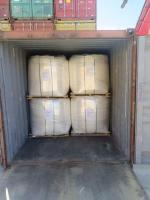
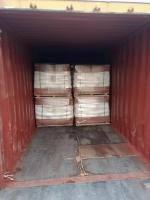
Super absorbent polymer for gel ice pack manufacturing is an important functional material used in modern cold therapy products, medical cooling packs, sports injury treatment, food transport cooling systems, and pharmaceutical cold chain applications. A super absorbent polymer (SAP) is a cross-linked hydrophilic polymer, most commonly based on sodium polyacrylate or modified acrylic polymers, that can absorb and retain large quantities of water or aqueous solutions. In gel ice pack manufacturing, SAP plays a crucial role in forming a stable, flexible gel structure that maintains cooling performance while preventing leakage.
The fundamental principle of super absorbent polymer for gel ice pack manufacturing is its ability to absorb water and transform it into a semi-solid hydrogel. When SAP is mixed with water, it swells due to osmotic pressure and forms a three-dimensional polymer network. This gel structure traps water molecules inside, preventing free flow of liquid. As a result, super absorbent polymer for gel ice pack manufacturing enables the production of non-leaking gel packs that remain soft and flexible even after freezing.
One of the main advantages of super absorbent polymer for gel ice pack manufacturing is its ability to maintain flexibility at low temperatures. Traditional ice packs often become hard and rigid when frozen, making them uncomfortable and less effective for body contact. SAP-based gel ice packs remain semi-flexible due to the water being immobilized within the polymer matrix. This allows the pack to conform better to body surfaces, improving cooling efficiency and user comfort.
Another important function of super absorbent polymer for gel ice pack manufacturing is water retention and leak prevention. In conventional liquid-filled packs, any damage to the packaging can cause leakage. However, SAP transforms free water into a gel, significantly reducing the risk of leakage even if the outer packaging is compromised. This improves safety and usability, especially in medical and food transport applications.
In gel ice pack formulation, super absorbent polymer for gel ice pack manufacturing is typically combined with water, preservatives, and sometimes additives such as glycerol or propylene glycol. These additives help control freezing behavior and maintain gel consistency. The SAP ensures that the water remains evenly distributed, preventing separation or pooling inside the pack.
One of the key performance parameters of super absorbent polymer for gel ice pack manufacturing is gel strength. A strong gel structure ensures that the ice pack maintains its shape and does not break apart after repeated freezing and thawing cycles. Good gel strength also prevents syneresis, which is the release of water from the gel over time.
Another important factor is freeze–thaw stability. In real-world use, gel ice packs undergo multiple cycles of freezing and thawing. Super absorbent polymer for gel ice pack manufacturing must maintain its structure and performance across these cycles without degradation. High-quality SAP formulations are designed to resist structural breakdown and maintain consistent cooling performance.
The cooling efficiency of gel ice packs is also influenced by super absorbent polymer for gel ice pack manufacturing. The SAP matrix controls how water freezes and melts, ensuring a gradual and sustained cooling effect. This is particularly important in medical cold therapy, where controlled cooling helps reduce inflammation, swelling, and pain.
In medical applications, gel ice packs made with SAP are widely used for injury treatment, post-surgical recovery, fever reduction, and physical therapy. Super absorbent polymer for gel ice pack manufacturing ensures that the packs remain soft, safe, and easy to apply directly to the skin without causing discomfort or frostbite risk when properly designed.
In sports and fitness applications, SAP-based gel ice packs are used to treat muscle strains, sprains, and inflammation. The flexibility provided by super absorbent polymer for gel ice pack manufacturing allows athletes to apply the pack directly to joints and muscles for effective recovery.
In food and pharmaceutical cold chain logistics, gel ice packs made with SAP are used to maintain stable low temperatures during transportation. Super absorbent polymer for gel ice pack manufacturing ensures that the cooling medium remains stable, non-leaking, and reusable, which is essential for preserving temperature-sensitive products such as vaccines, insulin, seafood, and fresh food.
The particle size and cross-linking density of SAP are critical factors in super absorbent polymer for gel ice pack manufacturing. Fine particles provide smoother gel texture, while higher cross-linking density improves gel strength and stability. Manufacturers must carefully balance these parameters to achieve optimal performance.
Another important consideration is safety and toxicity. SAP used in gel ice packs must be non-toxic, non-irritating, and safe for indirect or accidental skin contact. This is especially important in medical and food-related applications.
From a manufacturing perspective, super absorbent polymer for gel ice pack manufacturing allows for scalable and cost-effective production. SAP can be easily mixed with water and other additives, then sealed into flexible plastic films or pouches. The resulting gel packs are lightweight, durable, and easy to transport.
Environmental considerations are also becoming increasingly important. Traditional SAP materials are not biodegradable, so research is ongoing into more sustainable alternatives for super absorbent polymer for gel ice pack manufacturing, including bio-based polymers and recyclable packaging systems.
In conclusion, super absorbent polymer for gel ice pack manufacturing is a key material that enables the production of safe, flexible, and efficient cooling products. Its ability to absorb water, form stable gels, maintain flexibility at low temperatures, and prevent leakage makes it essential for medical, sports, food, and pharmaceutical applications. With continuous innovation, super absorbent polymer for gel ice pack manufacturing will continue to improve performance, safety, and sustainability in cold therapy and cooling technologies.