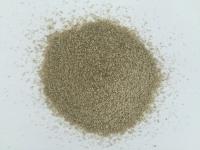
Super absorbent polymer for diaper manufacturing materials plays a central role in modern hygiene products, especially disposable baby diapers, adult incontinence products, and sanitary goods. A super absorbent polymer (SAP) is a cross-linked hydrophilic polymer capable of absorbing and retaining extremely large amounts of liquid relative to its own mass. In diaper production, super absorbent polymer for diaper manufacturing materials is essential for ensuring high absorption capacity, dryness, comfort, and leakage prevention.
The most commonly used super absorbent polymer for diaper manufacturing materials is sodium polyacrylate, a cross-linked polymer derived from acrylic acid. This material can absorb 300–800 times its own weight in deionized water and several tens of times in saline solutions such as urine. The effectiveness of super absorbent polymer for diaper manufacturing materials lies in its three-dimensional network structure, which traps liquid and prevents it from being released even under pressure.
In diaper construction, super absorbent polymer for diaper manufacturing materials is primarily used in the absorbent core layer. This layer typically consists of a blend of SAP particles and fluff pulp (cellulose fibers). The fluff pulp helps distribute liquid quickly, while the SAP absorbs and locks it in. This synergy ensures that the diaper can handle multiple wetting events without leakage. As technology advances, modern diapers are increasingly using higher proportions of super absorbent polymer for diaper manufacturing materials, reducing the need for bulky pulp and resulting in thinner, more comfortable products.
One of the key performance indicators of super absorbent polymer for diaper manufacturing materials is absorption capacity under load (AUL). This measures how well the SAP can retain liquid when pressure is applied, such as when a baby sits or lies down. High AUL performance ensures that the absorbed liquid does not leak back to the surface, keeping the skin dry. Another important parameter is gel strength, which refers to the ability of the swollen SAP particles to maintain their structure without breaking down. Strong gel structure is critical for preventing leakage and maintaining the integrity of the absorbent core.
The liquid retention and rewet performance of super absorbent polymer for diaper manufacturing materials are also crucial. Rewet refers to the amount of liquid that returns to the surface after absorption. A high-quality SAP minimizes rewet, ensuring that the diaper surface remains dry and comfortable for the wearer. This is particularly important for preventing skin irritation and diaper rash.
In addition to performance, the particle size and distribution of super absorbent polymer for diaper manufacturing materials are carefully controlled during production. Uniform particle size ensures consistent absorption and prevents gel blocking, a phenomenon where swollen particles block liquid flow and reduce overall efficiency. Advanced SAP products are engineered to optimize permeability and fluid distribution within the absorbent core.
Another important aspect of super absorbent polymer for diaper manufacturing materials is its compatibility with other diaper components. SAP must work effectively with nonwoven fabrics, acquisition distribution layers (ADL), and backsheet materials. The integration of SAP into the diaper structure is designed to maximize absorption while maintaining flexibility and comfort.
Environmental considerations are increasingly influencing the development of super absorbent polymer for diaper manufacturing materials. Traditional SAPs are not biodegradable, which raises concerns about waste management. As a result, research is ongoing to develop bio-based or biodegradable SAPs derived from renewable resources. Although these alternatives are still under development, they represent an important future direction for the diaper industry.
The use of super absorbent polymer for diaper manufacturing materials also contributes to cost efficiency and product performance optimization. By increasing the absorption capacity, manufacturers can reduce the overall weight and thickness of diapers, lowering material usage and transportation costs. At the same time, improved performance enhances consumer satisfaction and product competitiveness.
In adult incontinence products, super absorbent polymer for diaper manufacturing materials is even more critical due to the higher volume of liquid that must be managed. SAP ensures reliable absorption, odor control, and dryness over extended periods. In feminine hygiene products, SAP provides similar benefits by improving absorption and comfort.
Overall, super absorbent polymer for diaper manufacturing materials is a key innovation that has transformed the hygiene industry. Its ability to absorb and retain large amounts of liquid, combined with advancements in material engineering, has enabled the development of thinner, more efficient, and more comfortable diapers. As technology continues to evolve, the role of super absorbent polymer for diaper manufacturing materials will remain central, with ongoing improvements in performance, sustainability, and user comfort driving future innovation.