Our Products
Product Center / polyamine of AQ 194, AQ 197, AQ 200 can be replaced by Chinafloc polyamine series
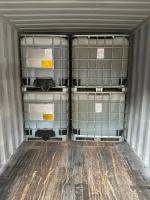



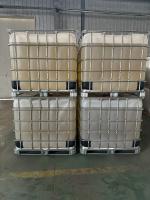
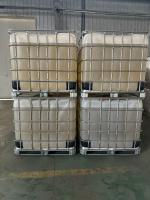
AQ 194, AQ 197, and AQ 200 are liquid cationic polyamine coagulants commonly used in municipal water treatment, municipal wastewater treatment, and a wide range of industrial effluent treatment processes. These products belong to the polyamine polymer family, which is characterized by high positive charge density, low to medium molecular weight, and strong charge neutralization capability.
Polyamines differ from high-molecular-weight flocculants such as polyacrylamide in that their primary function is coagulation rather than flocculation. AQ polyamines rapidly destabilize negatively charged colloids, fine suspended solids, emulsified oils, and organic matter, enabling subsequent aggregation, settling, flotation, or filtration. AQ 194, AQ 197, and AQ 200 are formulated with different charge levels and performance balances, allowing selection based on raw water or wastewater characteristics.
One of the main applications of AQ 194, AQ 197, and AQ 200 is raw water clarification in municipal drinking water treatment plants. Natural surface water typically contains clay, silt, algae, and natural organic matter that carry negative surface charges, making them stable in suspension.
AQ polyamines neutralize these charges rapidly, promoting particle collision and micro-floc formation. This improves sedimentation and filtration efficiency, resulting in lower turbidity and more stable finished water quality.
AQ 194 is commonly applied to low to medium turbidity water where gentle and controlled coagulation is required.
AQ 197 offers balanced performance and is suitable for variable raw water conditions, including seasonal turbidity changes.
AQ 200, with higher charge strength, is often selected for high turbidity or high organic load waters.
AQ 194, AQ 197, and AQ 200 are frequently used as coagulant aids in combination with aluminum sulfate or ferric salts. Their use significantly reduces the dosage of inorganic coagulants, leading to:
Lower sludge production
Reduced residual aluminum or iron
Improved filter run times
Lower chemical handling and disposal costs
Because AQ polyamines are effective over a wide pH range, they also reduce the need for pH correction.
In municipal wastewater treatment plants, AQ 194, AQ 197, and AQ 200 are applied in primary clarifiers to improve the removal of suspended solids, fats, oils, and grease (FOG). Domestic wastewater often contains finely dispersed solids and emulsified oils that are difficult to remove by gravity settling alone.
AQ polyamines rapidly destabilize these materials, improving floc formation and settling velocity. This enhances primary clarification efficiency and reduces organic loading to downstream biological treatment processes.
AQ 197 and AQ 200 are particularly effective for high-strength municipal influent, while AQ 194 is suitable for more stable and consistent wastewater conditions.
AQ polyamines are also used for sludge conditioning prior to gravity thickening or mechanical dewatering. By neutralizing the surface charge of sludge particles, AQ 194, AQ 197, and AQ 200 promote aggregation and improve water release.
They are often applied as a pretreatment step before cationic polyacrylamide flocculants, reducing overall polymer consumption and improving dewatering efficiency.
Paper and pulp mill effluent contains fibers, fillers, inks, and dissolved organic matter. AQ polyamines are highly effective in this industry due to their strong cationic charge, which neutralizes fines and colloids.
Applications include:
Improved fiber recovery
Reduced suspended solids
Enhanced performance of clarifiers and DAF systems
Lower COD and turbidity in treated effluent
AQ 200 is commonly selected for recycled fiber and coated paper wastewater with higher contaminant loads.
Textile wastewater contains negatively charged dyes, surfactants, and organic compounds that contribute to high color and COD. AQ 194, AQ 197, and AQ 200 are widely used for color removal and turbidity reduction.
They neutralize dye molecules, allowing effective aggregation and removal through sedimentation or flotation. AQ 197 and AQ 200 are preferred for high-color effluents, while AQ 194 is suitable for lighter dye loads.
In food processing industries such as breweries, dairies, and meat processing plants, wastewater contains proteins, fats, oils, and suspended solids. AQ polyamines destabilize emulsified oils and organic particles, improving oil–water separation and reducing COD before biological treatment.
AQ 194, AQ 197, and AQ 200 are effective in treating oily wastewater from refineries, petrochemical plants, and oilfield operations. They assist in breaking stable oil emulsions and removing dispersed oil droplets, improving the performance of API separators, flotation units, and secondary clarifiers.
AQ 200 is particularly suitable for high-oil or complex emulsions, while AQ 194 and AQ 197 are used in moderate conditions.
AQ polyamines are frequently used as a first-stage coagulant before high-molecular-weight flocculants such as polyacrylamide. This two-step approach provides:
Faster floc formation
Lower flocculant dosage
Improved settling and dewatering
Greater process stability
AQ 194, AQ 197, and AQ 200 offer several operational benefits:
Rapid coagulation and short mixing time
Broad pH adaptability
Lower sludge volume than inorganic coagulants
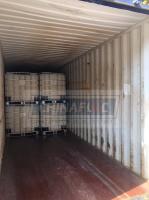
Easy handling as liquid products
Improved overall treatment economics
Polyamine AQ 194, AQ 197, and AQ 200 are versatile and high-performance cationic coagulants used across municipal water treatment, municipal wastewater treatment, and diverse industrial effluent applications. Through effective charge neutralization and rapid coagulation, these products improve solid–liquid separation efficiency, reduce chemical consumption, and enhance operational stability. Selecting the appropriate AQ grade allows operators to achieve reliable, cost-effective, and environmentally compliant water treatment performance under varying process conditions.