Our Products
Polyacrylamide / hydroxamated acid polyacrylamide|hydroxamic acid polyacrylamide used for aluminum
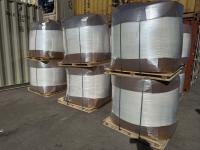



Hydroxamated polyacrylamide—often referred to as hydroxamic acid polyacrylamide (HAPAM)—is a specially modified form of polyacrylamide designed to enhance metal ion chelation, particularly for multivalent metal ions such as aluminum. Compared with conventional anionic or nonionic polyacrylamide, hydroxamated polyacrylamide introduces hydroxamic acid functional groups (-CONHOH) into the polymer chain, which significantly improves its affinity for metal hydroxides and dissolved metal ions. This makes hydroxamic acid polyacrylamide especially effective in aluminum-related applications, including mineral processing, wastewater treatment, and sludge conditioning.
Hydroxamic acid polyacrylamide is produced by modifying standard polyacrylamide through hydroxamation reactions, converting part of the amide groups (-CONH2) into hydroxamic acid groups (-CONHOH). These functional groups are well known in coordination chemistry for their strong chelating ability toward metal ions such as Al³⁺, Fe³⁺, Cu²⁺, and others.
The mechanism of hydroxamic acid polyacrylamide in aluminum systems mainly involves:
This dual mechanism—chelating complexation combined with polymer bridging—makes hydroxamated polyacrylamide far more effective than standard flocculants in aluminum-rich systems.
One of the most important uses of hydroxamic acid polyacrylamide is in aluminum ore beneficiation, especially in bauxite processing.
In bauxite flotation, separating aluminum-bearing minerals (such as gibbsite, boehmite, and diaspore) from silica and iron impurities is a major challenge. Hydroxamic acid polyacrylamide acts as:
Compared with traditional fatty acids or sulfonate collectors, hydroxamic acid polyacrylamide offers:
In the Bayer process for alumina production, efficient separation of red mud from sodium aluminate liquor is critical. Hydroxamated polyacrylamide provides:
The chelation between hydroxamic groups and aluminum species enhances aggregation of fine particles that are otherwise difficult to settle.
Hydroxamic acid polyacrylamide is highly effective in treating wastewater containing aluminum salts, such as those generated from:
(1) Removal of dissolved aluminum ions
Hydroxamic groups form strong complexes with Al³⁺ ions, facilitating their removal through flocculation and sedimentation.
(2) Enhancement of floc structure
Compared with conventional anionic polyacrylamide, hydroxamated variants produce:
(3) Reduction of residual aluminum
Residual aluminum in treated water is a critical concern, especially in drinking water systems. Hydroxamic acid polyacrylamide helps reduce residual Al levels by binding free aluminum ions more effectively.
In sludge systems containing aluminum hydroxide (such as water treatment sludge), hydroxamic acid polyacrylamide shows superior performance:
This is particularly important in sludge generated from coagulation processes using aluminum salts like polyaluminum chloride (PAC) or aluminum sulfate.
Hydroxamated polyacrylamide offers several distinct advantages in aluminum-related applications:
When applying hydroxamic acid polyacrylamide in aluminum systems, several parameters should be optimized:
Hydroxamic acid polyacrylamide is commonly used in:
While hydroxamated polyacrylamide is highly effective, some considerations include:
Hydroxamic acid polyacrylamide represents a high-performance flocculant specifically tailored for aluminum-related systems. Its unique hydroxamic functional groups provide strong chelation with aluminum ions, significantly enhancing flocculation efficiency, selectivity, and solid-liquid separation performance. Whether in bauxite beneficiation, red mud settling, aluminum wastewater treatment, or sludge dewatering, hydroxamated polyacrylamide delivers superior results compared to conventional polyacrylamide products. For industries dealing with aluminum-rich streams, it is a highly valuable and technically advanced solution.