

Our Products

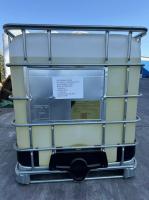
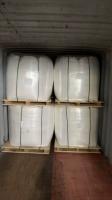
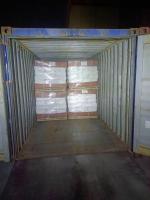
Polyacrylamide / cationic polyacrylamide zetag 8180 zetag 7563 can be replaced by Chinafloc C series
1. Introduction
Cationic polyacrylamide (CPAM) is a water-soluble polymer widely used in wastewater treatment, sludge dewatering, industrial solid-liquid separation, and municipal sewage treatment. Its main function is to neutralize negatively charged particles and promote the formation of larger, stronger flocs that can be separated from water by sedimentation, flotation, filtration, or mechanical dewatering.
ZETAG 8180 and ZETAG 7563 are product designations associated with the ZETAG flocculant range used in water and sludge treatment. When evaluating these products, it is important to confirm their exact specifications, including ionic charge density, molecular weight, physical form, and recommended applications, against the relevant supplier's technical data sheet. Different grades of cationic polyacrylamide can have significantly different performance depending on the sludge characteristics and treatment equipment.
This article explains the major applications of cationic polyacrylamide and the practical considerations for evaluating ZETAG 8180 and ZETAG 7563.
2. Municipal Wastewater Treatment
One of the principal applications of cationic polyacrylamide is municipal wastewater treatment. Sewage treatment plants generate sludge containing organic matter, microorganisms, suspended solids, and other impurities.
ZETAG-type cationic flocculants can be applied during sludge thickening and dewatering. The positively charged polymer interacts with negatively charged sludge particles, helping destabilize suspended matter and bridge particles together into larger flocs.
These flocs release water more readily, improving separation efficiency and reducing the volume of sludge requiring transportation and disposal.
Typical applications include:
-
Waste activated sludge dewatering.
-
Primary sludge conditioning.
-
Mixed sludge thickening.
-
Digested sludge dewatering.
-
Municipal wastewater solids separation.
The actual performance of ZETAG 8180 or ZETAG 7563 depends on sludge composition, polymer dosage, and the dewatering equipment used.
3. Industrial Sludge Dewatering
Industrial wastewater treatment produces sludge with widely varying physical and chemical properties. Industries such as food processing, chemicals, textiles, paper manufacturing, and metal processing may generate substantial quantities of sludge requiring conditioning before disposal or further treatment.
Cationic polyacrylamide helps aggregate fine suspended solids and improve the release of water from sludge. This can increase the throughput of mechanical dewatering equipment and reduce the amount of wet sludge produced.
Potential applications include:
-
Chemical manufacturing wastewater.
-
Food and beverage processing sludge.
-
Textile dyeing wastewater sludge.
-
Paper mill wastewater treatment.
-
Pharmaceutical manufacturing wastewater.
-
General industrial wastewater treatment.
For industrial applications, selecting the correct polymer requires laboratory testing because sludge charge, organic content, pH, and dissolved salts can substantially influence flocculation performance.
4. Application in Belt Filter Presses
Belt filter presses are widely used for continuous sludge dewatering in municipal and industrial wastewater treatment plants.
Before sludge enters the press, a cationic polyacrylamide solution is added to promote floc formation. Properly conditioned sludge forms larger flocs that release free water during gravity drainage and remain sufficiently strong during subsequent compression.
A suitable polymer can help improve solids capture, increase cake solids, and reduce the amount of suspended solids escaping with the filtrate.
When testing ZETAG 8180 and ZETAG 7563, operators should compare the dry polymer dosage, filtrate clarity, sludge cake solids, and achievable processing rate. The best product is the one that provides the required dewatering performance at an economical operating cost.
5. Application in Centrifuge Dewatering
Decanter centrifuges separate sludge solids from water through centrifugal force. Polymer conditioning is often essential because fine sludge particles are difficult to separate efficiently without flocculation.
Cationic polyacrylamide creates larger aggregates that can improve solids capture and facilitate the separation of liquid and solid phases.
In centrifuge applications, the polymer must provide an appropriate balance between floc size, floc strength, drainage characteristics, and resistance to mechanical shear. Excessively fragile flocs may break apart during centrifugation, while an unsuitable polymer may produce poor centrate quality or increase operating costs.
ZETAG 8180 and ZETAG 7563 should therefore be evaluated under actual or representative centrifuge operating conditions rather than selected solely from their product names.
6. Paper and Pulp Industry
The paper and pulp industry generates wastewater containing cellulose fibers, fine fiber particles, fillers, and organic materials. Cationic polyacrylamide can assist in wastewater clarification and sludge dewatering.
Its positively charged groups help interact with negatively charged fibers and suspended particles, while the polymer chains promote aggregation.
Potential benefits include improved solids recovery, reduced suspended solids in treated wastewater, and better dewatering of biological or primary sludge.
However, the appropriate polymer depends on whether the objective is fiber retention within the papermaking process, wastewater clarification, or sludge dewatering. These applications may require different molecular weights, charge densities, and dosing strategies.
7. Food Processing and Other Industrial Applications
Food processing facilities generate wastewater containing proteins, fats, carbohydrates, and suspended organic solids. Cationic polyacrylamide may be used to condition the resulting sludge and improve mechanical dewatering.
Other possible applications include wastewater treatment in beverage production, fermentation, starch processing, and certain chemical industries.
For applications involving food-related wastewater, the polymer must be suitable for the intended treatment process and comply with applicable local regulations. A product's suitability for sludge dewatering does not automatically mean that it is approved for direct contact with food or drinking water.
8. How to Select Between ZETAG 8180 and ZETAG 7563
The correct choice between ZETAG 8180 and ZETAG 7563 cannot be established reliably from the grade numbers alone. Their current technical data sheets should be consulted to verify product identity and specifications.
Important selection factors include:
Charge density: Determines how effectively the polymer interacts with negatively charged sludge particles.
Molecular weight: Influences polymer bridging, floc size, and solution viscosity.
Physical form: Powder and emulsion products have different preparation, hydration, and handling requirements.
Sludge characteristics: Organic content, solids concentration, pH, and ionic composition influence performance.
Dewatering equipment: Belt presses, centrifuges, and filter presses impose different requirements on floc strength and drainage.
A jar test or laboratory dewatering test should compare both products at several dosages. Measurements should include floc formation, filtrate clarity, drainage time, cake solids, and polymer consumption per tonne of dry solids.
9. Polymer Preparation and Dosage
Cationic polyacrylamide should be prepared according to the manufacturer's instructions. Powder products generally require gradual addition to water, sufficient mixing for dispersion, and adequate hydration before use. Excessive mixing can damage polymer chains or flocs.
The optimum dosage varies considerably with sludge type and solids concentration. Overdosing may increase operating costs, worsen filtrate quality, or produce slippery, difficult-to-dewater sludge. Underdosing may result in small flocs and poor solids capture.
Consequently, dosage optimization is essential before implementing either product at full scale.
10. Conclusion
ZETAG 8180 and ZETAG 7563 belong to a product family associated with flocculation and sludge treatment, while cationic polyacrylamide generally has important applications in municipal wastewater treatment, industrial sludge dewatering, belt filter presses, centrifuges, and paper mill wastewater treatment.
The specific differences between ZETAG 8180 and ZETAG 7563 should be confirmed through their technical data sheets or supplier recommendations. A controlled comparison using the customer's actual sludge is the most reliable way to determine which grade provides better dewatering performance, lower polymer consumption, and lower total operating cost.