Our Products
Polyacrylamide / cationic polyacrylamide emuslion of zetag 8868 Fs can be replaced by Chinafloc EM8080
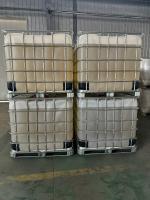


ZETAG 8868 FS is a high-performance cationic polyacrylamide (CPAM) flocculant widely used in municipal and industrial water and wastewater treatment. Originally developed under BASF and now supplied within the water solutions portfolio of Solenis, this product is typically provided as a free-flowing granular powder designed for efficient sludge conditioning and solid–liquid separation. Its optimized molecular weight and cationic charge density enable strong particle bridging and rapid floc formation, making it particularly suitable for biological sludge systems.
Below is a detailed overview of its primary applications.
The most important application of ZETAG 8868 FS is in municipal wastewater treatment plants. During secondary biological treatment (activated sludge processes), microorganisms convert dissolved organic matter into biomass. This process produces excess biological sludge that must be thickened and dewatered before disposal or further treatment.
ZETAG 8868 FS is typically dosed into sludge feed lines before mechanical dewatering equipment such as:
Belt filter presses
Decanter centrifuges
Screw presses
Filter presses
The cationic polymer neutralizes negatively charged sludge particles and binds fine solids into large, shear-resistant flocs. These flocs release interstitial and capillary water more effectively under mechanical pressure. As a result, plants achieve:
Higher dry solids content in sludge cake
Reduced sludge volume for disposal
Lower polymer dosage compared with less optimized grades
Clearer centrate or filtrate return streams
Improved dewatering efficiency directly lowers hauling, landfill, or incineration costs, which are often the largest operating expense in wastewater treatment facilities.
ZETAG 8868 FS is widely applied in industrial sectors where sludge characteristics vary significantly depending on production processes. Industries that commonly use this polymer include:
Food and beverage processing
Pulp and paper mills
Textile dyeing and finishing
Chemical manufacturing
Petrochemical plants
Metal processing facilities
In these applications, the polymer assists in:
It enhances settling of suspended solids in primary clarifiers, reducing turbidity and improving downstream biological treatment performance.
In DAF systems, ZETAG 8868 FS helps aggregate fine particles and emulsified oils, forming flocs that attach to air bubbles and float for removal. This is particularly useful in oily wastewater or food industry effluents.
Industrial biological systems generate excess sludge similar to municipal plants. The polymer improves sludge cake dryness and separation efficiency.
Before mechanical dewatering, sludge often undergoes gravity thickening or drum thickening to increase solids concentration. ZETAG 8868 FS promotes rapid floc formation and improved settling characteristics, increasing the solids content of thickened sludge.
Benefits include:
Reduced hydraulic load on dewatering equipment
Higher throughput capacity
More stable sludge feed consistency
Efficient thickening improves the overall economics of sludge management systems.
Many wastewater treatment plants use anaerobic digesters to stabilize sludge and produce biogas. However, digested sludge is often more difficult to dewater due to changes in microbial cell structure.
ZETAG 8868 FS is applied post-digestion to condition sludge prior to centrifuges or belt presses. It enhances floc strength and water release, leading to:
Improved cake dryness
Reduced polymer consumption compared with less optimized products
Lower energy demand in centrifuge operations
Better dewatering of digested sludge also improves downstream composting or thermal drying processes.
In industrial facilities aiming for water reuse and sustainability, ZETAG 8868 FS assists in producing clearer effluent streams. By effectively removing suspended solids, the polymer helps:
Reduce total suspended solids (TSS) in clarified water
Improve filtrate clarity
Enable recycling of treated water back into production processes
This supports water conservation goals and reduces freshwater intake.
In petrochemical and refinery operations, sludge often contains emulsified oil droplets and fine solids. ZETAG 8868 FS, with its cationic charge, destabilizes negatively charged emulsions and aggregates oil-bound solids.
Applications include:
Oil-water separation
Slop oil treatment
Tank bottom sludge conditioning
This improves phase separation and facilitates disposal or recovery of hydrocarbons.
In pulp and paper mills, sludge generated from fiber recovery and wastewater treatment can be difficult to dewater due to high organic content. ZETAG 8868 FS enhances fiber flocculation and improves drainage properties in sludge dewatering systems.
Benefits include:
Reduced moisture content
Improved filtrate clarity
Enhanced fiber recovery in certain systems
ZETAG 8868 FS offers several practical benefits:
Rapid dissolution in polymer make-down systems
Stable performance across a wide pH range
Formation of large, strong, shear-resistant flocs
Compatibility with common dewatering equipment
Reduced carryover of fine solids into centrate
Its balanced molecular structure ensures effective bridging while minimizing overdosing risks, which can otherwise cause poor cake structure or filtrate turbidity.
Efficient sludge dewatering directly influences environmental compliance and operational cost. By increasing cake solids and improving separation, ZETAG 8868 FS contributes to:
Lower transportation emissions due to reduced sludge volume
Reduced landfill space requirements
Improved regulatory compliance for effluent discharge
Enhanced sustainability through water reuse
#ZETAG8868FS
#CationicPolyacrylamide
#SludgeDewatering
#MunicipalWastewater
#IndustrialEffluent
#Flocculant
#SolidLiquidSeparation
#BeltFilterPress
#CentrifugeDewatering
#SludgeConditioning
#ActivatedSludge
#ChargeNeutralization
#HighMolecularWeight
#WaterTreatmentChemicals
#PolymerFlocculation
538_small.jpg "cationic polyacrylamide for water treatment of paper making")
549_small.jpg "cationic polyacrylamide used for septage wastewater treatment")