

Our Products

Polyacrylamide / The replacement of flopam an926 anionic polyacrylamide--A2517
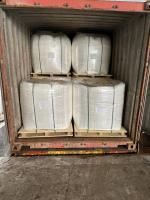
FLOPAM AN 926 anionic polyacrylamide is a high-performance anionic polyacrylamide (APAM) flocculant manufactured by SNF. It is part of the FLOPAM AN series of water-soluble polymers designed for coagulation, flocculation, and solid-liquid separation applications. FLOPAM AN 926 is listed as a polyacrylamide product used for coagulation and flocculation applications in water treatment.
FLOPAM AN 926 contains negatively charged functional groups that provide strong interaction with suspended solids, mineral particles, and colloidal materials. Its primary working mechanisms are:
- Adsorption – The polymer attaches to particle surfaces.
- Polymer bridging – Long polymer chains connect multiple particles together.
- Floc formation – Small particles become larger, stronger aggregates that settle faster.
Because of its anionic nature and high molecular weight characteristics, FLOPAM AN 926 anionic polyacrylamide is mainly applied in mining, mineral processing, wastewater clarification, sludge treatment, sand washing, and environmental protection industries.
1. Mining and Mineral Processing Applications
The largest application field of FLOPAM AN 926 anionic polyacrylamide is the mining industry.
Mining operations generate large quantities of fine suspended solids during:
- Crushing
- Grinding
- Flotation
- Beneficiation
- Concentration processes
These fine particles often remain suspended in water because of their small particle size and surface electrical properties.
FLOPAM AN 926 improves separation by creating larger mineral flocs.
Main mining applications:
- Tailings thickening
- Mineral concentrate thickening
- Slurry clarification
- Mine wastewater treatment
- Process water recycling
Benefits include:
- Faster settling of mineral solids
- Higher underflow density
- Clearer overflow water
- Improved water recovery
- Reduced tailings storage requirements
2. Tailings Thickening Application
Tailings management is one of the most important uses of FLOPAM AN 926 APAM.
After valuable minerals are extracted, the remaining tailings contain:
- Fine rock particles
- Clay minerals
- Silica
- Residual process chemicals
- Large amounts of water
Without treatment, these solids settle very slowly.
When FLOPAM AN 926 is added into the thickener feed, the polymer chains attach to mineral particles and form large flocs.
The results are:
Improved settling speed
Large flocs settle faster than individual fine particles.
Higher solids concentration
The settled underflow contains more solids and less water.
Better water recovery
Clarified overflow water can be recycled back into the plant.
This helps mining operations reduce:
- Fresh water consumption
- Tailings volume
- Operating costs
3. Iron Ore Processing Application
In iron ore beneficiation plants, fine particles are generated during grinding and concentration.
FLOPAM AN 926 is used in:
- Iron ore tailings settling
- Concentrate thickening
- Process water clarification
The polymer improves:
- Solid-liquid separation efficiency
- Thickener performance
- Filtration performance
Advantages:
- Faster settling of iron ore particles
- Reduced suspended solids in recycled water
- Improved plant productivity
Iron ore operations often select anionic polyacrylamide because mineral particles generally respond well to negatively charged polymers.
4. Coal Washing and Coal Preparation
Coal washing plants generate wastewater containing:
- Fine coal particles
- Clay
- Mineral impurities
- Suspended solids
These particles create highly turbid wastewater.
FLOPAM AN 926 anionic polyacrylamide helps:
- Aggregate fine coal particles
- Accelerate sedimentation
- Improve coal recovery
- Clarify recycled water
Applications include:
- Coal slurry thickening
- Clarifier treatment
- Fine coal recovery
- Water recycling systems
Benefits:
- Reduced wastewater discharge
- Lower water consumption
- Improved coal recovery efficiency
5. Industrial Wastewater Treatment
FLOPAM AN 926 is also widely used in industrial wastewater clarification.
Industries generating suspended solids include:
- Chemical plants
- Steel manufacturing
- Cement production
- Ceramic factories
- Paper mills
- Food processing facilities
The polymer helps remove:
- Suspended solids
- Mineral particles
- Metal hydroxides
- Colloidal materials
Treatment benefits:
- Lower turbidity
- Improved clarification
- Better sludge settling
- Improved filtration
In many wastewater systems, FLOPAM AN 926 is used after inorganic coagulants such as:
- Poly aluminum chloride (PAC)
- Aluminum sulfate
- Ferric chloride
The coagulant destabilizes particles, while the polymer creates larger flocs.
6. Sludge Thickening and Dewatering
Another important application of FLOPAM AN 926 anionic polyacrylamide is sludge treatment.
Some sludge streams contain high amounts of:
- Mineral solids
- Inorganic particles
- Metal hydroxides
These materials can be effectively conditioned with anionic polymers.
Applications include:
- Filter press systems
- Belt filter presses
- Centrifuges
- Gravity thickeners
The polymer improves:
- Sludge settling
- Filtration rate
- Cake solids concentration
- Water release
Advantages:
- Reduced sludge volume
- Lower disposal costs
- Improved equipment efficiency
7. Sand Washing and Aggregate Industry
Sand and gravel washing produces wastewater containing:
- Fine sand
- Clay particles
- Silica particles
- Suspended minerals
These fine particles make water cloudy and difficult to recycle.
FLOPAM AN 926 is used in:
- Sand washing plants
- Quarry wastewater treatment
- Aggregate recycling systems
Functions:
- Accelerate settling in settling ponds
- Improve water clarity
- Recover fine materials
- Reduce fresh water usage
Benefits:
- Cleaner recycled water
- Lower environmental discharge
- Higher production efficiency
8. Alumina and Bauxite Processing
Anionic polyacrylamide products are widely used in alumina refining processes.
In the Bayer process, large amounts of red mud are generated.
Applications include:
- Red mud settling
- Clarification of sodium aluminate liquor
- CCD washing circuits
- Solid-liquid separation
FLOPAM AN 926 can help improve:
- Settling speed
- Liquor recovery
- Washing efficiency
- Process water recycling
The polymer promotes aggregation of fine particles, allowing better separation between solids and liquid phases.
9. Oilfield Applications
High molecular weight anionic polyacrylamides are also used in oilfield operations.
Potential applications include:
Enhanced Oil Recovery (EOR)
Polyacrylamide improves water viscosity during polymer flooding.
Benefits:
- Better sweep efficiency
- Reduced water channeling
- Increased oil displacement
Produced Water Treatment
FLOPAM AN 926 can assist in removing:
- Suspended solids
- Fine particles
- Oil-associated solids
10. Soil Stabilization and Environmental Protection
FLOPAM AN 926 can also be applied in environmental protection.
Applications include:
- Soil erosion control
- Sediment control
- Dust suppression
- Construction site runoff treatment
The polymer binds fine soil particles together, reducing soil loss caused by:
- Rainfall
- Wind
- Surface runoff
Benefits:
- Improved soil stability
- Reduced sediment discharge
- Better environmental compliance
Conclusion
FLOPAM™ AN 926 anionic polyacrylamide is a versatile high-performance flocculant used mainly for solid-liquid separation applications. Its major application areas include:
- Mining tailings thickening
- Mineral processing
- Iron ore and coal beneficiation
- Industrial wastewater treatment
- Sludge dewatering
- Sand washing
- Alumina processing
- Oilfield operations
- Soil stabilization