


Our Products

Polyacrylamide / The equivalent model of PRAESTOL DW27 AG cationic polyacrylamide
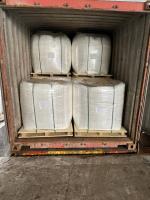
The product PRAESTOL DW27 AG is a high–molecular-weight cationic polyacrylamide (CPAM) developed primarily for coagulation and flocculation processes in water and solid–liquid separation systems. Like other PRAESTOL series polymers, it is designed to provide strong charge neutralization and bridging performance, making it particularly effective for treating negatively charged particles such as organic sludge, colloids, and biological solids.
Below is a detailed explanation (≈1100 words) of the application of PRAESTOL DW27 AG cationic polyacrylamide, covering its mechanisms, industries, and practical roles.
1. Municipal Wastewater Treatment
One of the most important applications of PRAESTOL DW27 AG cationic polyacrylamide is in municipal wastewater treatment plants. In biological treatment systems, wastewater contains large amounts of suspended solids, microorganisms, and colloidal organic matter. These particles are typically negatively charged and remain stable in suspension.
Because PRAESTOL DW27 AG is cationic, it neutralizes the negative charges and destabilizes the colloids. This allows particles to aggregate into larger flocs that settle rapidly. In activated sludge systems, cationic polymers significantly improve sludge settling performance and reduce sludge volume index (SVI), often dramatically enhancing sedimentation efficiency.
Typical uses include:
- Primary clarification (enhancing sedimentation of raw sewage solids)
- Secondary clarification (improving biological sludge settling)
- Tertiary polishing (removing residual suspended solids)
Additionally, PRAESTOL DW27 AG helps produce clearer effluent, which is critical for meeting discharge standards and enabling water reuse.
2. Sludge Thickening and Dewatering
Another key application of PRAESTOL DW27 AG cationic polyacrylamide is sludge conditioning prior to thickening and dewatering. Municipal and industrial sludge contains a high proportion of water, making disposal expensive and inefficient.
Cationic polyacrylamide works by binding fine sludge particles together into dense, compact flocs. This enhances water release during mechanical dewatering processes such as:
- Belt filter presses
- Centrifuges
- Screw presses
- Plate-and-frame filter presses
As a result, sludge cake solids content increases while the volume of sludge is reduced. This leads to:
- Lower transportation and disposal costs
- Improved equipment efficiency
- Reduced energy consumption
Compared with inorganic coagulants alone, PRAESTOL DW27 AG provides stronger floc structure and better dewatering performance due to its long polymer chains and high charge density.
3. Industrial Wastewater Treatment
Industrial effluents often contain complex mixtures of suspended solids, oils, dyes, heavy metals, and organic contaminants. PRAESTOL DW27 AG cationic polyacrylamide is widely used in industrial wastewater treatment because of its versatility and strong flocculation ability.
Key industries include:
- Food and beverage processing
- Textile and dyeing plants
- Petrochemical and chemical manufacturing
- Pulp and paper mills
- Electroplating and metal finishing
In these systems, PRAESTOL DW27 AG is typically used as a flocculant following coagulation. It improves:
- Solid–liquid separation efficiency
- Effluent clarity
- Removal of COD and suspended solids
Its cationic nature makes it especially effective for treating wastewater rich in organic matter, oils, and biological sludge, where anionic polymers are less effective.
4. Drinking Water Treatment
Although used at low dosages, PRAESTOL DW27 AG cationic polyacrylamide can also be applied in potable water treatment systems as a coagulant aid. It enhances the performance of traditional coagulants such as aluminum sulfate or ferric chloride.
In drinking water treatment plants, it helps:
- Remove turbidity and fine particles
- Improve filtration efficiency
- Reduce chemical consumption
Certified polyacrylamide products like PRAESTOL DW27 AG comply with regulatory requirements for residual monomer content and safe dosing levels, ensuring suitability for potable water applications.
5. Pulp and Paper Industry
The pulp and paper industry is another major application area for PRAESTOL DW27 AG cationic polyacrylamide. In papermaking, controlling fiber retention and drainage is critical for product quality and process efficiency.
PRAESTOL DW27 AG is used as:
- Retention aid (improves fiber and filler retention on the paper sheet)
- Drainage aid (accelerates water removal during sheet formation)
- Sludge treatment agent (for paper mill wastewater)
Its cationic charge allows it to bind with negatively charged cellulose fibers and fillers, improving sheet formation and reducing material losses. This results in:
- Higher production efficiency
- Reduced raw material consumption
- Improved paper strength and uniformity
6. Mining and Mineral Processing
In mining operations, large volumes of slurry containing fine particles must be separated efficiently. PRAESTOL DW27 AG cationic polyacrylamide is widely used for:
- Tailings thickening
- Concentrate dewatering
- Process water clarification
Although anionic polymers are often preferred for inorganic mineral systems, cationic polymers like PRAESTOL DW27 AG are particularly useful when organic contaminants or clay-rich slurries are present.
The polymer enhances floc formation, leading to:
- Faster settling rates
- Improved water recovery
- Reduced tailings storage requirements
7. Oil and Gas Industry
In the oil and gas sector, PRAESTOL DW27 AG cationic polyacrylamide is applied in:
- Produced water treatment
- Oil–water separation
- Drilling fluid treatment
It helps remove emulsified oil droplets and suspended solids by destabilizing emulsions and forming flocs. This improves water quality for reuse or discharge.
Additionally, cationic polyacrylamide can be used to treat refinery wastewater, where high organic content requires strong charge neutralization capability.
8. Textile and Dyeing Industry
Textile wastewater contains dyes, surfactants, and organic compounds that are difficult to remove. PRAESTOL DW27 AG cationic polyacrylamide is particularly effective in this sector because many dyes are negatively charged.
Applications include:
- Color removal
- Suspended solids removal
- Sludge treatment
By forming complexes with dye molecules, PRAESTOL DW27 AG helps remove color and improve effluent quality, making it suitable for discharge or recycling.
9. Agriculture and Soil Conditioning
Although less common than in water treatment, PRAESTOL DW27 AG cationic polyacrylamide can also be used in agriculture for soil conditioning.
It improves:
- Soil aggregation
- Water retention
- Erosion control
By binding soil particles together, it reduces runoff and enhances soil stability, especially in irrigation systems.
10. Flocculation Mechanism and Advantages
The effectiveness of PRAESTOL DW27 AG cationic polyacrylamide is based on two main mechanisms:
(1) Charge Neutralization
The positively charged polymer neutralizes negatively charged particles, destabilizing suspensions.
(2) Polymer Bridging
Long polymer chains connect multiple particles, forming large, dense flocs that settle quickly.
These mechanisms lead to several advantages:
- Rapid sedimentation
- Improved clarity of treated water
- Reduced chemical consumption
- High efficiency at low dosages
Polyacrylamide products like PRAESTOL DW27 AG are widely recognized as highly efficient flocculants across industries due to these properties.
Conclusion
In summary, PRAESTOL DW27 AG cationic polyacrylamide is a versatile and high-performance flocculant widely used in water treatment, sludge dewatering, industrial processing, and environmental management. Its strong cationic charge and high molecular weight make it especially suitable for treating organic-rich and negatively charged suspensions.
Its main applications include:
- Municipal and industrial wastewater treatment
- Sludge thickening and dewatering
- Drinking water clarification
- Pulp and paper processing
- Mining and oilfield operations
- Textile wastewater treatment
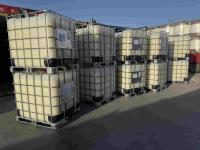
613_small.jpg "Zetag 8165,Zetag 8160,Zetag8180 can be replaced by Chinafloc cationic polyacrylamide")