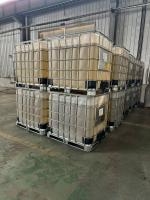
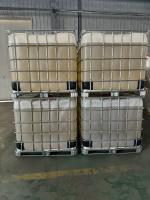
Application of PolyDADMAC (20%–50% Active Content)
PolyDADMAC (polydiallyldimethylammonium chloride) is a water-soluble, high-charge-density cationic polymer widely used as a primary coagulant or coagulant aid in water treatment and industrial separation processes. PolyDADMAC products are typically supplied as aqueous solutions with active contents ranging from 20% to 50%, allowing users to select the optimal concentration based on application requirements, dosing systems, logistics, and process conditions.
1. Role of Active Content in PolyDADMAC Performance
The active content of PolyDADMAC directly influences charge density per unit volume, viscosity, handling characteristics, and dosing efficiency.
-
20%–25% PolyDADMAC: Low viscosity, excellent pumpability, fast mixing, ideal for small plants and precise dosing.
-
30%–40% PolyDADMAC: Balanced concentration and handling, widely used in municipal and industrial applications.
-
45%–50% PolyDADMAC: Very high charge concentration, reduced dosage volume, optimized for large-scale and high-load systems.
Despite differences in concentration, all PolyDADMAC grades share the same primary coagulation mechanism—charge neutralization of negatively charged particles.
2. Municipal Drinking Water Treatment
One of the most important applications of 20%–50% PolyDADMAC is municipal drinking water treatment. Raw water contains negatively charged colloids such as clay, silt, algae, bacteria, and natural organic matter that are difficult to remove by sedimentation alone.
PolyDADMAC is dosed at the rapid mixing stage to neutralize particle charges, forming microflocs that aggregate rapidly.
-
20%–30% grades are preferred in small to medium water treatment plants for ease of dosing and operational flexibility.
-
40%–50% grades are commonly used in large municipal plants, where lower feed volume and storage efficiency are critical.
Compared with inorganic coagulants, PolyDADMAC produces less sludge, works effectively over a wide pH range, and leaves no residual metals, improving finished water quality.
3. Wastewater Treatment and Primary Clarification
PolyDADMAC (20%–50%) is extensively applied in municipal and industrial wastewater treatment as a primary coagulant or coagulant aid. Wastewater streams typically contain suspended solids, colloidal organic matter, emulsified oils, fats, and surfactants, all of which carry negative surface charges.
-
Lower-concentration PolyDADMAC (20%–30%) allows fine-tuning of dosage in variable wastewater conditions.
-
Higher-concentration PolyDADMAC (40%–50%) is more suitable for high-strength wastewater, enabling effective treatment with reduced chemical consumption.
PolyDADMAC improves clarifier performance, reduces turbidity and COD, and enhances the efficiency of downstream biological treatment.
4. Sludge Conditioning and Dewatering Enhancement
Another major application of PolyDADMAC 20%–50% is sludge conditioning prior to mechanical dewatering. PolyDADMAC is commonly used as a pre-coagulant, improving the effectiveness of cationic polyacrylamide flocculants.
By neutralizing negative charges on sludge particles, PolyDADMAC:
-
Enhances floc formation
-
Reduces flocculant dosage
-
Improves filtrate clarity
-
Increases cake solids content
40%–50% PolyDADMAC grades are particularly effective for high-solids and digested sludge, while 20%–30% grades are preferred where uniform distribution and controlled dosing are required.
5. Industrial Process Water and Effluent Treatment
PolyDADMAC with active content between 20% and 50% is widely used in industrial process water systems and effluent treatment plants across industries such as oil and gas, petrochemicals, textiles, pulp and paper, mining, food processing, and metal finishing.
These systems often contain fine suspended solids, dyes, emulsified oils, and organic contaminants. PolyDADMAC effectively destabilizes these materials, enhancing clarification, flotation, and filtration processes.
High-concentration PolyDADMAC grades are favored where space limitations, high contaminant loadings, and logistics efficiency are key considerations.
6. Pulp and Paper Industry Applications
In the pulp and paper industry, PolyDADMAC (20%–50%) is used as a fixing agent and retention aid. It neutralizes anionic trash, improves fines and filler retention, enhances drainage, and stabilizes wet-end chemistry.
-
20%–30% grades are common in low-speed machines and virgin fiber systems.
-
40%–50% grades are preferred in high-speed and recycled fiber operations, where high anionic demand must be addressed efficiently.
7. Operational Advantages of PolyDADMAC (20%–50%)
Key advantages of PolyDADMAC across all concentration ranges include:
-
Very high cationic charge density
-
Rapid coagulation and clarification
-
Wide pH and temperature operating range
-
Compatibility with inorganic coagulants and polymer flocculants
-
Liquid form for easy handling and precise dosing
The choice between 20% and 50% PolyDADMAC allows users to optimize performance, cost, and operational convenience.
8. Conclusion
In conclusion, PolyDADMAC with active contents ranging from 20% to 50% is a versatile and high-performance coagulant used in drinking water treatment, wastewater clarification, sludge conditioning, industrial effluent treatment, and pulp and paper processing. Lower-concentration grades offer superior handling and dosing flexibility, while higher-concentration grades deliver maximum efficiency, reduced chemical consumption, and logistical advantages. This flexibility makes PolyDADMAC an essential component in modern water and process treatment programs.

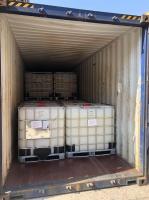


639_small.jpg "PolyDADMAC for centrifuge sludge dewatering and belt filter press")