

The application of nonionic flocculants for use in copper hydrometallurgy treatment is a critical part of solid–liquid separation across multiple stages of copper extraction and refining. In hydrometallurgical copper operations—such as heap leaching, agitation leaching, solvent extraction (SX), and electrowinning (EW)—efficient clarification, thickening, and tailings management are essential for process stability, metal recovery, and water reuse. Nonionic flocculants, typically nonionic polyacrylamide (NPAM), are widely applied because of their strong flocculation efficiency, chemical tolerance, and compatibility with harsh process conditions.
1. Overview of Copper Hydrometallurgy
Copper hydrometallurgy involves dissolving copper from ores using acidic leaching solutions, followed by separation and recovery of copper from the pregnant leach solution (PLS). Compared with pyrometallurgy, hydrometallurgical processes generate large volumes of fine solids suspended in acidic, metal-rich liquors. These solids must be efficiently separated to ensure smooth downstream operations. The application of nonionic flocculants for use in copper hydrometallurgy treatment directly supports this requirement by improving sedimentation, clarification, and filtration efficiency.
2. Characteristics of Nonionic Flocculants
Nonionic flocculants are high-molecular-weight polymers with neutral functional groups. Unlike anionic or cationic flocculants, they do not carry electrical charges, making them highly stable in environments with high acidity, high ionic strength, and elevated metal ion concentrations. This neutrality is particularly advantageous in copper hydrometallurgy, where leach solutions often contain sulfuric acid, ferric ions, aluminum, and other dissolved salts.
3. Application in Leach Residue Thickening
One of the primary applications of nonionic flocculants in copper hydrometallurgy is leach residue thickening. After heap leaching or agitation leaching, fine gangue particles remain suspended in the spent leach slurry. Nonionic flocculants promote aggregation of these fine particles into large, fast-settling flocs. This improves thickener underflow density and overflow clarity, enabling efficient separation of solids from copper-bearing solutions.
The application of nonionic flocculants for use in copper hydrometallurgy treatment ensures that valuable copper is not lost with solids and that clarified solutions can be efficiently transferred to solvent extraction circuits.
4. Clarification of Pregnant Leach Solution (PLS)
PLS clarification is a critical step prior to solvent extraction. Even small amounts of suspended solids can cause phase separation problems, crud formation, and contamination in SX circuits. Nonionic flocculants are commonly used in clarification thickeners or clarifiers to remove ultrafine solids from PLS.
Because nonionic flocculants do not interact strongly with dissolved metal ions, they minimize the risk of copper loss or chemical interference. Their use results in clear PLS with low turbidity, protecting extractants and improving overall copper recovery efficiency.
5. Tailings Management and Disposal
Copper hydrometallurgy produces large volumes of tailings that must be thickened before disposal or dry stacking. The application of nonionic flocculants for use in copper hydrometallurgy treatment plays a vital role in tailings dewatering. By forming strong, shear-resistant flocs, nonionic flocculants enhance settling rates and increase underflow solids concentration.
This improved dewatering reduces water consumption, lowers tailings storage requirements, and supports sustainable water management—an increasingly important factor in copper mining operations, particularly in arid regions.
6. Use in Counter-Current Decantation (CCD) Circuits
In many copper leaching operations, CCD circuits are used to wash leach residues and recover dissolved copper. Nonionic flocculants are applied in CCD thickeners to accelerate solids settling and improve wash efficiency. Stable floc formation ensures minimal solids carryover between stages, reducing copper losses and improving wash water efficiency.
The chemical stability of nonionic flocculants under acidic conditions makes them especially suitable for CCD applications where pH levels are low and metal concentrations are high.
7. Compatibility with Acidic and High-Metal Environments
A major advantage in the application of nonionic flocculants for use in copper hydrometallurgy treatment is their excellent tolerance to sulfuric acid and dissolved metal ions. Unlike anionic flocculants, which may precipitate or lose efficiency in high-calcium or high-iron systems, nonionic flocculants maintain consistent performance across a wide range of process conditions.
This reliability reduces dosage variability and improves operational control, making them preferred flocculants in many hydrometallurgical copper plants.
8. Benefits to Downstream Solvent Extraction and Electrowinning
Efficient solid–liquid separation achieved through nonionic flocculants directly benefits downstream SX–EW operations. Cleaner solutions reduce organic contamination, stabilize phase disengagement times, and protect electrowinning cathodes from fouling. As a result, copper cathode quality improves, and maintenance costs are reduced.
9. Environmental and Operational Advantages
The application of nonionic flocculants for use in copper hydrometallurgy treatment contributes to lower water consumption, improved water recycling, and reduced environmental footprint. By enhancing thickening and clarification efficiency, these flocculants help operations meet stricter environmental regulations while maintaining high productivity.
10. Conclusion
In summary, the application of nonionic flocculants for use in copper hydrometallurgy treatment is essential for efficient solid–liquid separation throughout leaching, clarification, CCD, and tailings management processes. Their chemical neutrality, acid stability, and strong flocculation performance make nonionic flocculants ideal for copper hydrometallurgical environments. As copper production increasingly relies on hydrometallurgical routes, nonionic flocculants will continue to play a crucial role in improving process efficiency, metal recovery, and sustainable resource management.
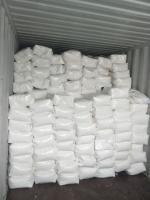
374_small.jpg "Chemicals Nonionic Flocculant NPAM for Mineral Processing")