


Our Products

Polyacrylamide / Flopam EM230 nonionic polyacrylamide emulsion can be replaced by chinafloc N0008
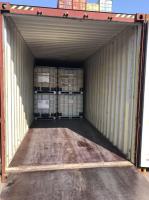
Flopam EM230 is a nonionic polyacrylamide (NPAM) emulsion developed for solid-liquid separation, flocculation, clarification, and dewatering applications in a wide range of industrial processes. As a nonionic polymer, it contains very low ionic charge and relies primarily on its high molecular weight and bridging mechanism to aggregate fine suspended particles. This characteristic makes Flopam EM230 particularly effective in systems where anionic or cationic flocculants perform poorly because of high salinity, fluctuating pH, multivalent metal ions, or complex wastewater chemistry.
Compared with charged polyacrylamides, Flopam EM230 exhibits excellent stability across varying water conditions and is less sensitive to charge interference. Its emulsion form also provides rapid dissolution and easy preparation, making it suitable for continuous industrial operations.
Water and Wastewater Treatment
One of the most important applications of Flopam EM230 is in industrial and municipal water treatment.
Industrial Wastewater Clarification
Many industrial wastewaters contain suspended solids, colloidal particles, organic matter, oils, pigments, and metal oxides. In some cases, these contaminants carry little or no electrical charge, making conventional anionic or cationic flocculants less effective.
Flopam EM230 acts through molecular bridging, linking small particles together to form large, dense flocs that settle rapidly. It is widely used in wastewater from:
- Chemical manufacturing
- Textile plants
- Dyeing factories
- Metal finishing operations
- Food processing facilities
- Paper mills
- Mineral processing plants
The polymer improves:
- Settling rate
- Clarifier performance
- Filtration efficiency
- Effluent clarity
- Water recycling capability
Its nonionic nature makes it particularly valuable in wastewater containing high concentrations of dissolved salts or metal ions.
Municipal Wastewater Treatment
In municipal treatment plants, Flopam EM230 is used in both primary and secondary clarification systems.
Benefits include:
- Faster sludge settling
- Lower turbidity
- Improved suspended solids removal
- Enhanced biological treatment performance
- Better final effluent quality
Because it is nonionic, it generally has minimal interference with biological treatment microorganisms and activated sludge systems.
Sludge Dewatering
Sludge dewatering is another major application of Flopam EM230.
Wastewater treatment processes generate large volumes of sludge containing significant amounts of trapped water. Transportation and disposal costs are directly related to sludge volume.
Flopam EM230 helps by:
- Aggregating fine sludge particles
- Releasing bound water
- Improving filtration characteristics
- Increasing sludge cake solids
It is commonly used with:
- Belt filter presses
- Centrifuges
- Screw presses
- Chamber filter presses
- Vacuum filters
Benefits include:
- Higher cake dryness
- Lower disposal costs
- Reduced energy consumption
- Increased equipment throughput
The polymer is especially effective for organic sludges and mixed industrial sludges where charge-sensitive polymers may not perform consistently.
Mining and Mineral Processing
Mining is one of the largest markets for nonionic polyacrylamide products such as Flopam EM230.
Many mineral slurries contain particles with weak surface charges, making nonionic flocculants highly effective.
Tailings Treatment
Mining operations generate large quantities of tailings slurry. Flopam EM230 is used to:
- Accelerate tailings settling
- Improve thickener performance
- Clarify overflow water
- Increase water recovery
Applications include:
- Iron ore processing
- Copper mining
- Gold mining
- Coal washing
- Silica processing
- Clay processing
By producing larger and denser flocs, the polymer improves both settling speed and water clarity. This allows mining companies to recycle more process water and reduce freshwater consumption.
Ore Beneficiation
During grinding, flotation, and concentration processes, Flopam EM230 can function as:
- Flocculant
- Settling aid
- Thickener aid
- Filtration aid
Its low ionic character minimizes unwanted chemical interactions in mineral processing circuits.
Oil and Gas Industry
The oil and gas industry uses Flopam EM230 for water management and separation processes.
Produced Water Treatment
Produced water often contains:
- Suspended solids
- Oil droplets
- Scale particles
- Corrosion products
Flopam EM230 helps remove these contaminants by forming settleable flocs that can be separated through sedimentation or flotation.
Benefits include:
- Improved water quality
- Reduced discharge contamination
- Better water reuse
Oil-Water Separation
The polymer can enhance flotation and separation systems by promoting aggregation of dispersed particles and oil contaminants. This improves treatment efficiency in refineries and production facilities.
Paper and Pulp Industry
Flopam EM230 is widely used in paper manufacturing.
Paper mills generate large amounts of process water containing:
- Cellulose fibers
- Fillers
- Pigments
- Coating materials
The polymer functions as:
Retention Aid
It improves retention of:
- Fine fibers
- Calcium carbonate
- Kaolin clay
- Titanium dioxide
This reduces material losses and improves production efficiency.
Drainage Aid
Flopam EM230 enhances water removal from the paper sheet during formation.
Benefits include:
- Faster machine speeds
- Reduced drying energy
- Improved sheet formation
White Water Clarification
The polymer improves recovery of fibers and fillers from white water systems, helping mills reduce waste and recycle water.
Construction and Tunneling
Flopam EM230 is frequently used in civil engineering projects.
Drilling Fluids
The polymer is added to drilling muds for:
- Viscosity control
- Borehole stabilization
- Filtration reduction
Applications include:
- Horizontal directional drilling (HDD)
- Tunneling
- Foundation construction
- Diaphragm wall construction
Slurry Treatment
Construction projects often generate slurry containing clay and fine soil particles.
Flopam EM230 helps:
- Clarify recycling water
- Improve solid-liquid separation
- Reduce waste disposal costs
Its nonionic character makes it suitable for variable soil conditions.
Textile and Dyeing Industry
Textile wastewater is often difficult to treat because it contains:
- Dyes
- Surfactants
- Organic contaminants
- Fine fibers
Flopam EM230 assists in:
- Color removal
- Solid-liquid separation
- Clarification
- Sludge dewatering
The polymer performs well even in wastewater with high surfactant concentrations where charged flocculants may lose effectiveness.
Chemical Processing Industry
Chemical manufacturers use Flopam EM230 in various processing operations.
Applications include:
- Powder dispersion
- Suspension stabilization
- Filtration improvement
- Product recovery
- Catalyst processing
Because the polymer is chemically neutral, it is compatible with many formulations and process environments.
Soil Stabilization and Erosion Control
Flopam EM230 is also applied in environmental protection projects.
Erosion Control
The polymer binds fine soil particles and reduces runoff.
Applications include:
- Highway construction
- Mine reclamation
- Slope stabilization
- Land development projects
Dust Suppression
It helps reduce airborne dust from:
- Mining sites
- Construction areas
- Aggregate plants
- Unpaved roads
These applications improve environmental compliance and workplace safety.
Advantages of Flopam EM230
Key advantages include:
- High molecular weight for excellent particle bridging.
- Nonionic character, making it resistant to salt and pH interference.
- Effective performance in difficult wastewater systems.
- Rapid dissolution and easy handling due to emulsion form.
- Improved clarification and dewatering efficiency.
- Lower chemical consumption compared with some conventional flocculants.
- Broad compatibility with industrial processes.
495_small.jpg "nonionic polyacrylamide FLODRILL TS2112 can be replaced by Chinafloc N0009")
309_small.jpg "N300 nonionic flocculant can be replaced by Chinafloc N0510")