Application of PolyDADMAC (Cat-Floc 8102 Plus, 8103 Plus, 8108 Plus, 8799 Plus)
1. General Role of PolyDADMAC in Water Treatment
PolyDADMAC (polydiallyldimethylammonium chloride) is a high-charge-density cationic polymer primarily used as a primary coagulant or coagulant aid. Unlike long-chain polyacrylamide flocculants that rely mainly on bridging mechanisms, PolyDADMAC works mainly through charge neutralization. It rapidly destabilizes negatively charged colloids, suspended solids, natural organic matter (NOM), algae, and fine particles.
The Cat-Floc® Plus series from Nalco/Ecolab is designed to deliver fast clarification, improved solids removal, reduced sludge volume, and stable performance across varying water qualities. These products are liquid, easy to dose, and compatible with both inorganic coagulants and polymer flocculants.
2. Cat-Floc® 8102 Plus – Applications
Cat-Floc 8102 Plus is a medium-to-high charge PolyDADMAC commonly applied where moderate organic and turbidity removal is required.
Municipal Drinking Water Treatment
-
Used as a primary coagulant to remove turbidity, fine clay, silt, and color.
-
Particularly effective in low-to-medium turbidity surface waters.
-
Enhances clarification performance in conventional sedimentation and filtration systems.
Coagulant Aid for Metal Salts
Industrial Process Water
3. Cat-Floc® 8103 Plus – Applications
Cat-Floc 8103 Plus has higher cationic charge density than 8102 Plus, making it suitable for more demanding waters.
High Turbidity Surface Water Clarification
-
Effective in rivers, reservoirs, and lakes with seasonal turbidity spikes.
-
Rapid neutralization of highly charged colloidal particles.
Organic Matter and Color Removal
Wastewater Pretreatment
-
Used in industrial wastewater systems for primary clarification.
-
Common in food processing, beverage, and chemical industries where suspended solids are fine and negatively charged.
4. Cat-Floc® 8108 Plus – Applications
Cat-Floc 8108 Plus is a high-performance, broad-spectrum PolyDADMAC designed for difficult clarification conditions.
Algae and Seasonal Bloom Control
Low-Temperature and Low-Alkalinity Water
Advanced Pretreatment for Membranes
Industrial Wastewater Clarification
5. Cat-Floc® 8799 Plus – Applications
Cat-Floc 8799 Plus is typically a lower-to-moderate charge PolyDADMAC, designed for versatility and stable performance.
Filtration Enhancement
Secondary Clarification Support
Industrial Effluent Treatment
-
Applied in textile, pulp and paper, and general manufacturing wastewater.
-
Effective for removing dyes, pigments, and colloidal solids.
Sludge Conditioning Aid
6. Key Advantages of the Cat-Floc® Plus Series
-
Fast reaction time due to high cationic charge density
-
Wide pH operating range
-
Lower sludge volume compared to inorganic coagulants
-
Reduced chemical handling complexity
-
Improved downstream filtration and dewatering performance
These advantages make Cat-Floc 8102 Plus, 8103 Plus, 8108 Plus, and 8799 Plus suitable for both municipal and industrial water treatment systems, especially where process stability and regulatory compliance are critical.
7. Typical Dosing and Integration
-
Common dosage range: 0.5–10 mg/L, depending on raw water quality.
-
Often applied ahead of rapid mixing or inline injection.
-
Can be used alone or followed by anionic polyacrylamide flocculants for enhanced floc size and settling speed.
8. Summary

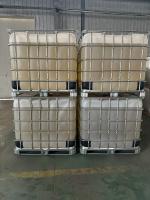


769_small.jpg "Polyacrylamide(flocculant)used for Drinking water treatment")
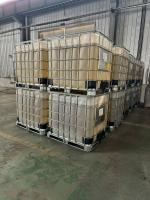
217_small.jpg "polydadmac of FL4816 FL4620 FL 4616 can be replaced by Chinafloc-POLYDADMAC")