

Our Products

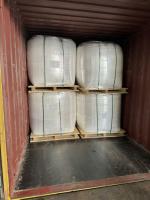
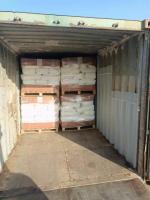
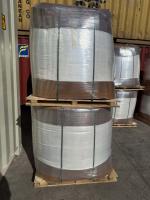
Flocculant / Alumina Refining flocculants with 60-100% hydrolysis degree
Application of Anionic Flocculant in Alumina Refining
Anionic flocculants play a vital role in the modern alumina refining industry, especially in improving solid–liquid separation efficiency, enhancing liquor clarity, increasing plant throughput, and reducing operational costs. Alumina is primarily produced from bauxite ore through the Bayer process, which involves digestion, clarification, precipitation, and calcination. Among these stages, clarification and residue separation are the most critical areas where anionic flocculants are extensively applied.
1. Role of Anionic Flocculants in the Bayer Process
In the Bayer process, bauxite is digested in hot caustic soda solution to dissolve aluminum hydroxide, forming sodium aluminate. The undissolved solids, known as red mud, consist mainly of iron oxides, silica, titania, and other impurities. Efficient separation of this red mud from the pregnant aluminate liquor is essential for downstream precipitation and product quality.
Anionic flocculants, usually based on anionic polyacrylamide (APAM) with ultra-high molecular weight, are added during the settling and washing stages. Their main function is to aggregate fine red mud particles into large, fast-settling flocs, thereby accelerating sedimentation and improving overflow clarity.
2. Clarification of Pregnant Liquor
One of the most important applications of anionic flocculants is in the primary clarification of pregnant liquor. After digestion, the slurry contains a high concentration of ultrafine solids that settle very slowly without chemical assistance. These fines can cause:
-
Poor settling rates
-
Cloudy overflow liquor
-
Increased filtration load
-
Alumina product contamination
When an anionic flocculant is dosed into the settler feed well or mixer, its negatively charged polymer chains adsorb onto the positively charged sites on red mud particle surfaces. Through bridging and charge neutralization, the flocculant forms large, dense flocs that settle rapidly under gravity. This results in:
-
Faster clarification
-
Lower turbidity of overflow liquor
-
Improved washing efficiency
-
Higher alumina recovery
Clear pregnant liquor is crucial for efficient aluminum hydroxide precipitation, preventing scaling, seed contamination, and yield losses.
3. Red Mud Thickening and Mud Washing
After separation of clarified liquor, the underflow red mud is pumped to thickeners and wash stages to recover entrained caustic soda and soluble alumina. Anionic flocculants significantly enhance this process by:
-
Increasing the settling rate of red mud
-
Producing higher underflow solids concentration
-
Improving counter-current washing efficiency
-
Reducing fresh water consumption
-
Maximizing caustic soda recovery
In high-capacity alumina refineries, red mud washing circuits often consist of multiple large thickeners operating in series. Proper selection and optimization of anionic flocculants ensure stable mud bed formation, deep underflow density, and low overflow suspended solids.
4. Filtration and Residue Disposal
In some modern alumina plants, red mud is further dewatered using vacuum filters, pressure filters, or filter presses before dry stacking or engineered landfill disposal. Anionic flocculants are applied as filter aids to:
-
Improve filtration rate
-
Reduce moisture content of filter cake
-
Enhance cake release from filter cloth
-
Minimize blinding and clogging
This application lowers energy consumption during calcination and transportation while improving environmental safety in residue management.
5. Control of Silica and Fine Suspended Solids
High concentrations of reactive silica in bauxite create challenges during digestion and precipitation. Fine silica particles often report to the pregnant liquor and can cause scaling and contamination. Anionic flocculants help to:
-
Agglomerate ultrafine silica particles
-
Improve rejection of reactive silica
-
Protect downstream equipment
-
Stabilize precipitation kinetics
This leads to enhanced control over alumina particle size distribution and final product purity.
6. Tailings Water Treatment and Recycling
Modern alumina refineries increasingly focus on closed-loop water systems to minimize fresh water consumption. Tailings water from red mud disposal ponds contains suspended solids, soda, and trace metals. Anionic flocculants are applied in:
-
Tailings water clarification
-
Process water recycling
-
Polishing of return liquor
The flocculant aggregates fine solids, allowing for rapid settling and reuse of clarified water back into the digestion and washing circuits. This reduces environmental discharge and operating costs.
7. Advantages of Anionic Flocculants in Alumina Refining
Anionic flocculants are preferred in alumina operations due to the following advantages:
-
Strong compatibility with alkaline systems – Bayer liquor typically has pH values above 12, and anionic polymers remain stable and highly effective under such conditions.
-
High molecular weight for superior bridging – Ensures fast settling and compact flocs.
-
Low dosage requirement – Reduces chemical consumption and operating cost.
-
Improved overflow clarity – Protects precipitation and filtration units.
-
Enhanced mud washing efficiency – Maximizes alumina and caustic soda recovery.
-
Reduced equipment wear – Less fine solids carryover minimizes erosion in pumps and pipelines.
8. Dosage Optimization and Application Points
Typical anionic flocculant dosages in alumina refining range from 5 to 50 g per ton of dry solids, depending on:
-
Ore mineralogy
-
Particle size distribution
-
Mud solids concentration
-
Temperature of slurry
-
Caustic soda concentration
Common dosing points include:
-
Digestion discharge lines
-
Settler feed wells
-
Washer thickener feed
-
Tailings clarification tanks
Proper solution aging, dilution control, and injection mixing are essential to fully activate the polymer and avoid overdosing, which can cause restabilization of particles or increased liquor viscosity.
9. Environmental and Sustainability Impact
The use of anionic flocculants directly supports sustainable alumina production by:
-
Reducing fresh water consumption
-
Increasing caustic soda recovery
-
Lowering residue pond volumes
-
Improving tailings stability
-
Minimizing environmental discharge
Efficient dewatering and washing also reduce the long-term environmental risks associated with red mud storage.
10. Future Trends in Flocculant Use for Alumina Refining
With the increasing processing of low-grade and high-silica bauxites, the demand for high-performance anionic flocculants continues to grow. Future development focuses on:
-
Ultra-high molecular weight polymers
-
Narrow molecular weight distribution
-
Enhanced shear stability
-
Improved temperature resistance
-
Lower residual monomer content
These innovations aim to further improve settling kinetics, reduce chemical dosage, and improve overall process stability under increasingly challenging ore conditions.
Conclusion
Anionic flocculants are indispensable in modern alumina refining, especially in the critical areas of pregnant liquor clarification, red mud thickening, residue washing, filtration, tailings water treatment, and water recycling. By significantly improving solid–liquid separation efficiency, these polymers enhance alumina recovery, reduce chemical and water consumption, protect downstream equipment, and support sustainable plant operations. As the global alumina industry continues to process more complex bauxite resources, the technical significance of anionic flocculants will continue to expand, making them a core component of efficient and environmentally responsible alumina production.
157_small.jpg "manufacturer supply polyacrylamide PHPA for Oilfield Chemicals")