

Our Products

Polyacrylamide / Alcomer 90L anionic polyacrylamide emulsion can be replaced by Chinafloc NR series
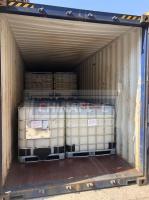
Alcomer 90L is an anionic polyacrylamide-based flocculant associated with the Alcomer product range originally developed by BASF. It is designed for solid-liquid separation, particularly where fine suspended particles need to be aggregated into larger flocs for easier settling, clarification, thickening, and dewatering.
According to available product portfolio information, Alcomer 90L is supplied as a liquid dispersion polymer (LDP), with approximately 50% active content. It has low anionic charge and very high molecular weight. These characteristics make it suitable for applications requiring effective particle bridging and floc formation.
The following article explains its potential applications in wastewater treatment, mining, mineral processing, oilfield operations, and industrial sludge management.
1. Industrial Wastewater Treatment
One of the important application areas for Alcomer 90L anionic polyacrylamide is industrial wastewater treatment.
Industrial wastewater frequently contains suspended solids, clay particles, organic matter, and other insoluble contaminants. Many of these particles are extremely fine and remain suspended in water for long periods. Conventional sedimentation alone may not provide sufficient separation efficiency.
Alcomer 90L works as a high-molecular-weight anionic flocculant. Its long polymer chains can connect multiple suspended particles through a mechanism known as polymer bridging.
The main functions include:
-
Promoting the aggregation of suspended particles.
-
Increasing the size and strength of flocs.
-
Improving sedimentation and clarification.
-
Reducing turbidity in treated water.
-
Improving sludge thickening.
-
Supporting mechanical sludge dewatering.
It may be considered for wastewater from chemical manufacturing, paper production, textile processing, and other industrial operations.
The optimum dosage depends on wastewater characteristics, suspended-solids concentration, pH, and the presence of other treatment chemicals.
2. Mining and Mineral Processing
Mining and mineral processing are important application fields for anionic polyacrylamide flocculants.
During mineral processing, large quantities of wastewater containing fine mineral particles, clay, and other suspended solids are generated. These particles can be difficult to separate through natural sedimentation.
Alcomer 90L can help improve solid-liquid separation by bringing fine mineral particles together into larger flocs.
Its potential applications include:
Mineral slurry thickening: In mineral processing plants, anionic PAM can promote the aggregation of fine mineral particles, increasing settling rates and improving thickener performance.
Tailings treatment: Mining tailings frequently contain fine clay and mineral particles. Anionic polyacrylamide can help accelerate sedimentation and improve the separation of water from solid residues.
Process water clarification: Recovered water can be returned to the mineral processing circuit, helping reduce freshwater consumption.
Ore washing wastewater: Water used for washing and processing ores may contain suspended mineral particles. Anionic flocculants can improve clarification and facilitate water recycling.
For these applications, Alcomer 90L should be evaluated through laboratory jar tests and plant trials. Mineral composition, particle surface charge, salinity, and pH can significantly influence its performance.
3. Oilfield Wastewater and Drilling Mud Treatment
Oilfield operations generate different types of wastewater and solid-containing fluids, including drilling mud waste, produced water, and fluids from drilling operations.
These waste streams may contain clay, fine solids, weighting materials, and other suspended particles. Effective solid-liquid separation is important for reducing waste volume and improving water recovery.
Anionic polyacrylamide flocculants can be used in suitable oilfield wastewater treatment systems to promote particle aggregation.
Potential applications include:
-
Drilling mud waste treatment: Promoting the flocculation of suspended solids in waste drilling fluids.
-
Drilling wastewater clarification: Improving the separation of suspended particles from water.
-
Sludge thickening: Increasing the concentration of solids before further treatment.
-
Mechanical dewatering: Supporting centrifuge and other solid-liquid separation equipment.
-
Wastewater recycling: Helping recover clarified water for reuse where treatment requirements permit.
An important consideration is that Alcomer 90L should not automatically be regarded as a drilling-fluid additive for controlling viscosity or fluid loss. Its established product classification is that of a flocculant. Its suitability for a particular drilling-fluid treatment process should be confirmed through compatibility and performance testing.
4. Sand Washing and Aggregate Washing Wastewater
Sand washing plants and aggregate processing facilities generate large volumes of wastewater containing suspended sand, silt, and fine clay particles.
The wastewater often has high turbidity, and fine particles may take a long time to settle naturally.
Alcomer 90L anionic polyacrylamide may be evaluated as a flocculant for these applications.
Its main functions include:
-
Aggregating fine suspended clay and mineral particles.
-
Accelerating the sedimentation process.
-
Improving the performance of settling tanks and thickeners.
-
Reducing suspended solids in recycled process water.
-
Supporting the recovery and reuse of washing water.
Water recycling is particularly important for sand washing plants because it can reduce freshwater consumption and wastewater discharge.
For high-clay wastewater, the appropriate flocculant should be selected according to clay mineral composition and water chemistry. In some cases, an inorganic coagulant such as PAC may be required before an anionic polyacrylamide is added.
5. Sludge Thickening and Mechanical Dewatering
Another important application of anionic polyacrylamide is sludge thickening and dewatering.
Industrial wastewater treatment plants produce sludge containing water, organic matter, and inorganic suspended solids. Before disposal or further processing, sludge usually needs to undergo thickening and dewatering.
Alcomer 90L may help improve this process through polymer bridging.
When properly selected and dosed, anionic polyacrylamide can form larger flocs, making it easier to separate water from suspended solids.
Potential equipment applications include:
-
Centrifuges.
-
Belt filter presses.
-
Filter presses.
-
Gravity sludge thickeners.
-
Industrial sedimentation tanks.
The main benefits may include improved sludge settling, better solid-liquid separation, and reduced water content in the final sludge cake.
However, cationic polyacrylamide is often preferred for biological and municipal sewage sludge because organic sludge particles commonly carry negative surface charges. Anionic PAM is more suitable for selected inorganic or mineral-rich sludge systems, depending on the treatment chemistry.
6. Paper and Pulp Industry
The paper and pulp industry produces wastewater containing cellulose fibers, mineral fillers, and other suspended materials.
Anionic polyacrylamide flocculants can help aggregate fine suspended solids and improve wastewater clarification.
Potential applications include:
-
Wastewater clarification.
-
Fiber recovery.
-
Sludge thickening.
-
Suspended-solids removal.
-
Process water recycling.
In paper mill wastewater treatment, the selection of anionic PAM depends on the type of suspended solids, pH, conductivity, and the existing treatment process.
Alcomer 90L may be evaluated where a high-molecular-weight, low-charge anionic polymer is required.
7. Chemical and Manufacturing Wastewater
Chemical factories and manufacturing plants generate wastewater containing different inorganic particles, pigments, fillers, and suspended impurities.
Anionic polyacrylamide can be used as a flocculant to improve the separation of these materials from water.
Possible applications include:
-
Chemical production wastewater.
-
Pigment manufacturing wastewater.
-
Ceramic manufacturing wastewater.
-
Building materials production wastewater.
-
Industrial mineral wastewater.
For example, ceramic factories produce wastewater containing fine clay and mineral particles during production and equipment cleaning. A suitable anionic flocculant can help accelerate the settling of suspended solids and facilitate water recycling.
The actual performance of Alcomer 90L will depend on the chemical characteristics of each wastewater stream.
8. How to Prepare and Use Alcomer 90L
Because Alcomer 90L is supplied as a liquid dispersion polymer rather than a conventional dry powder, its preparation and dosing procedure should follow the manufacturer's technical instructions.
The following points are important:
1. Dilution
The concentrated product generally needs appropriate dilution before dosing into a wastewater treatment system. The dilution ratio should be determined according to the product's handling instructions and the requirements of the treatment equipment.
2. Dosing position
The diluted polymer should normally be introduced at a suitable mixing point where it can contact suspended particles effectively.
3. Mixing conditions
Initial mixing should provide sufficient dispersion, followed by gentle mixing to allow polymer chains to bridge particles and form larger flocs. Excessive agitation can break formed flocs.
4. Dosage optimization
The dosage depends on suspended-solids concentration, wastewater composition, pH, and treatment equipment. Jar testing is recommended before determining the industrial dosage.
5. Compatibility
Anionic polyacrylamide may be used together with inorganic coagulants such as PAC or aluminum sulfate. However, the addition sequence and dosage should be optimized through laboratory testing.
9. Main Characteristics of Alcomer 90L
Based on available Alcomer product portfolio information, the following characteristics have been reported:
|
Parameter |
Alcomer 90L |
|---|---|
|
Chemical type |
Anionic polyacrylamide |
|
Product form |
Liquid dispersion polymer (LDP) |
|
Active content |
Approximately 50% |
|
Molecular weight |
Very high |
|
Anionic charge |
Low |
|
Main function |
Flocculation |
|
Main mechanism |
Polymer bridging |
Note: These are portfolio-level specifications, not a complete current technical data sheet. The exact viscosity, pH, appearance, storage conditions, dilution procedure, and recommended dosage should be confirmed with the manufacturer or supplier.
10. Conclusion
Alcomer 90L anionic polyacrylamide is a high-molecular-weight, low-anionic-charge liquid flocculant designed for solid-liquid separation applications.
Its potential application areas include industrial wastewater treatment, mining and mineral processing, oilfield wastewater treatment, sand washing wastewater clarification, sludge thickening, paper manufacturing, and chemical industry wastewater treatment.
The main advantages expected from its polymer characteristics are effective particle bridging, larger floc formation, improved sedimentation, and better solid-liquid separation.
For mining companies, wastewater treatment plants, and industrial manufacturers, selecting the correct anionic polyacrylamide can help improve treatment efficiency and water recovery.
However, the final performance of Alcomer 90L depends on the specific wastewater characteristics and operating conditions. Laboratory jar tests and industrial trials are recommended before selecting it as a replacement for other commercial anionic polyacrylamide products.
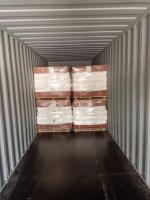
225_small.jpg "highly effective anionic polyacrylamide for mineral processing")